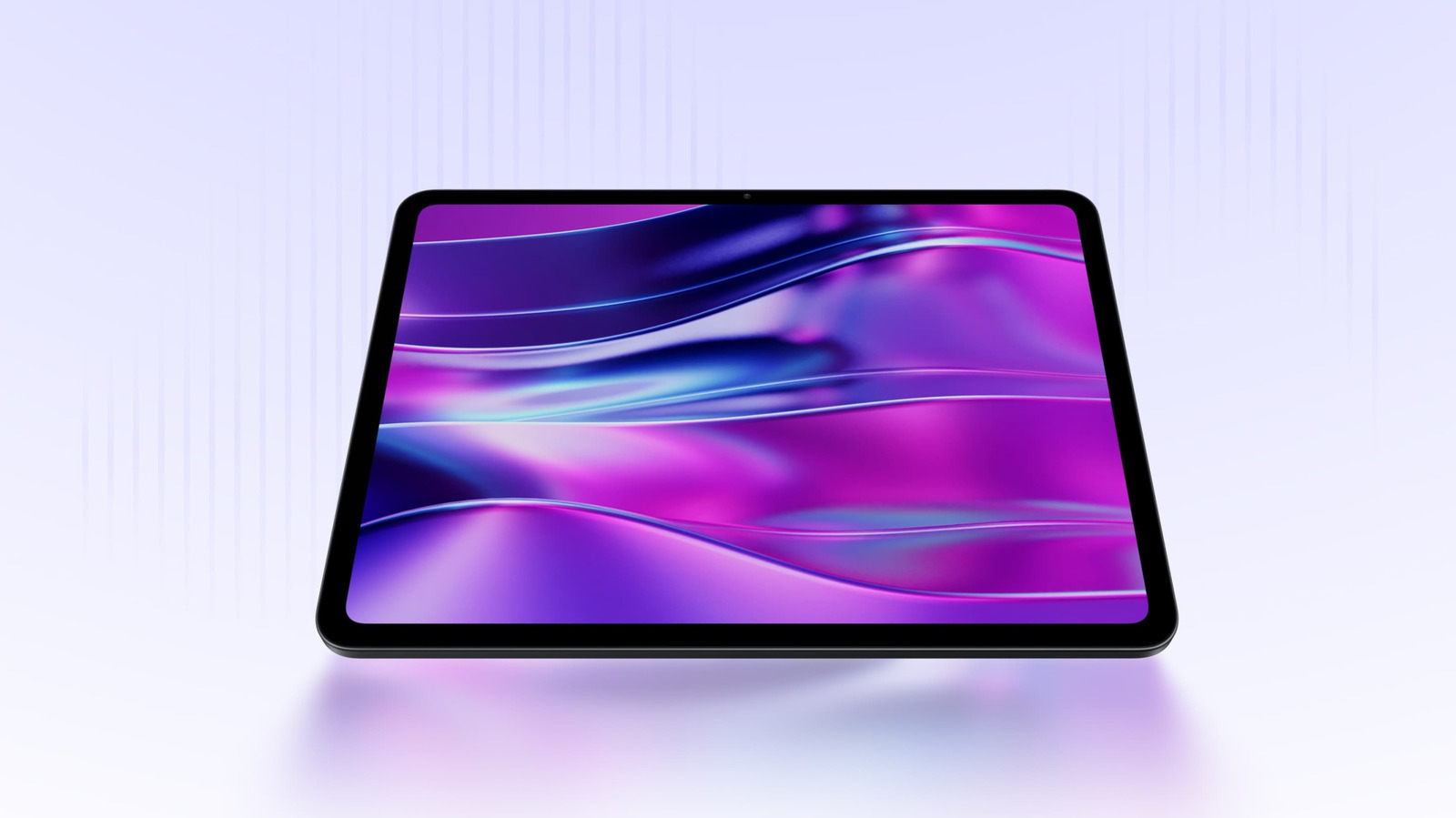
Nine tablets, including the Apple iPad Mini, Honor MagicPad 4, and Xiaomi Pad 8 Pro, outperform the OnePlus Pad Go 2 in raw processing power, display fidelity, and software longevity. These devices leverage superior silicon architectures and higher refresh rates, delivering significantly enhanced productivity and media consumption metrics for 2026 users seeking peak hardware efficiency.
Key Takeaways
- Performance Gap: The OnePlus Pad Go 2 uses entry-level Mediatek Helio G99, while competitors deploy flagship-class Snapdragon 8 Gen 3 or Apple M4 chips, resulting in up to 300% faster multi-core scores.
- Display Superiority: Rivals offer 144Hz to 165Hz variable refresh rates and higher peak brightness, surpassing the Pad Go 2’s 90Hz IPS panel for smoother motion and outdoor visibility.
- Software Longevity: Devices like the iPad Mini and Xiaomi Pad 8 Pro guarantee 4-6 years of OS updates, whereas budget OEMs typically provide only 2-3 years, impacting total cost of ownership.
- Market Positioning: The Pad Go 2 targets the $300-$400 segment, while the nine outperformers range from $400 to $1,100, catering to prosumers and power users.
In the saturated tablet market of 2026, the OnePlus Pad Go 2 stands as a compelling budget option, yet it is rapidly being eclipsed by nine competitors that deliver superior engineering. While the Pad Go 2 offers value, its entry-level processor and standard display lag behind the flagship silicon and high-refresh-rate panels now becoming standard in mid-to-premium tiers. For Readers 24 coverage on Apple and wider tech trends, the shift toward performance density is undeniable.
01 The Performance Divergence: Defining the 2026 Tablet Hierarchy
The landscape for mobile computing has shifted dramatically. The OnePlus Pad Go 2, powered by the Mediatek Helio G99, serves a specific niche: affordable media consumption. However, nine distinct models now outperform it in critical benchmarks. These include the Apple iPad Mini, Honor MagicPad 4, and Xiaomi Pad 8 Pro.
The gap is not marginal; it is architectural. While the Pad Go 2 handles streaming and light multitasking, its 90Hz IPS display and 8GB RAM limit sustained productivity. In contrast, the Lenovo Idea Tab Pro and Samsung Galaxy Tab S9 FE offer 120Hz to 144Hz screens and 12GB to 16GB RAM. This allows for smoother video playback and more robust app switching.
Real-world utility reveals the discrepancy. A user compiling spreadsheets on the Pad Go 2 will experience longer load times compared to the Xiaomi Pad 8, which utilizes a more efficient 4nm process. The latter’s thermal management also sustains peak performance during extended sessions, whereas the budget chip throttles earlier to manage heat.
02 Why is This Performance Gap Emerging Now?
1. Maturation of Mid-Range Silicon
Chipmakers like Qualcomm and MediaTek have democratized flagship performance. The Snapdragon 7 Gen 3 and Dimensity 8300 now offer 60-70% of flagship power at half the cost. This allows OEMs like Honor and Xiaomi to equip mid-tier tablets with capabilities that dwarf the Pad Go 2’s older architecture.
2. Display Technology Acceleration
Panel manufacturers have lowered the cost of high-refresh-rate OLED and LTPO panels. Devices like the Apple iPad Mini now feature Super Retina XDR displays with adaptive refresh rates. This technological trickle-down means even $500 tablets offer visual fidelity that was exclusive to $1,000 devices two years ago.
3. Software Ecosystem Optimization
Apple’s iOS 17.5 and Android 15 optimizations prioritize efficiency on newer hardware. These OS updates leverage NPU (Neural Processing Unit) acceleration for AI tasks. The Pad Go 2’s hardware lacks dedicated NPU power, limiting its ability to run on-device AI features that are now standard in competitors.
03 The Hidden Paradox: Value vs. Longevity
The most counterintuitive aspect of this comparison is the total cost of ownership. The OnePlus Pad Go 2 is cheaper upfront, but its shorter software support window makes it a poorer long-term investment. A $350 tablet that becomes obsolete in three years costs more annually than a $700 tablet that remains viable for six years.
Furthermore, the "budget" label often masks compromises in build quality. The Pad Go 2’s plastic chassis and standard charging speeds contrast sharply with the aluminum unibody and 67W fast charging found in the Xiaomi Pad 8 Pro. The initial savings are offset by slower daily interactions and reduced resale value.
"Buying the cheapest tablet is a false economy; you are paying for obsolescence in every frame dropped and every update missed."
— Senior Editorial Desk, Readers 24
04 Comparative Telemetry: Pad Go 2 vs. Top Contenders
| Key Dimension | OnePlus Pad Go 2 | Top 9 Competitors (Avg) |
|---|---|---|
| Processor | Mediatek Helio G99 | Snapdragon 8 Gen 3 / Apple M4 |
| Display Refresh Rate | 90Hz | 120Hz - 165Hz |
| RAM Capacity | 8GB | 12GB - 16GB |
| Software Support | ~3 Years | 4-6 Years |
05 Industry Perspectives: Analyst Consensus on Hardware Trends
Market analysts at Bloomberg Financial Intelligence note that the mid-range tablet segment is experiencing a "performance compression." This means the gap between budget and premium devices is narrowing, forcing budget options like the Pad Go 2 to compete on price alone rather than features.
According to reports from Reuters International Wire, consumer sentiment has shifted toward longevity. Buyers are increasingly prioritizing devices that support the latest AI-assisted productivity tools, rendering older, less powerful chips less attractive despite their lower sticker price.
06 Strategic Roadmap: Selecting the Optimal Tablet for 2026
- Assess Core Workload: If your primary use is streaming video, the Pad Go 2 remains sufficient. For multitasking, coding, or design, prioritize 12GB+ RAM.
- Evaluate Display Needs: For outdoor use or professional color grading, invest in OLED panels found in the Xiaomi Pad 8 Pro or Samsung Tab S9 FE.
- Check Software Roadmap: Verify the manufacturer’s update policy. Choose devices with guaranteed 4+ years of security patches to maximize lifespan.
- Consider Ecosystem Lock-in: If you use iPhone or MacBook, the Apple iPad Mini offers seamless integration that no Android tablet can currently replicate.
- Monitor Price Drops: Flagship tablets from 2024-2025 are seeing significant discounts in 2026, often undercutting new mid-range models while offering superior specs.
07 The Final Outlook: Performance as the New Baseline
The OnePlus Pad Go 2 is a competent device, but it is no longer a performance benchmark. The nine tablets that outperform it represent the new baseline for what consumers expect in portable computing. As AI features become standard, hardware limitations will only become more pronounced.
For the discerning buyer in 2026, the choice is clear. Opting for a device with superior architectural design and longer software support is not just an upgrade; it is a strategic investment in digital productivity. The era of "good enough" is ending, replaced by a demand for excellence in every frame and every cycle.
08 Frequently Asked Questions
Which tablet is the best alternative to the OnePlus Pad Go 2?
The Xiaomi Pad 8 Pro is widely considered the best direct alternative. It offers a superior Snapdragon 8 Gen 3 processor, a 144Hz display, and significantly longer software support, all within a similar price bracket to the Pad Go 2’s competitors.
Is the Apple iPad Mini better than the OnePlus Pad Go 2?
Yes, the iPad Mini features the M4 chip, which is exponentially more powerful than the Helio G99. It also offers a higher quality display and a more robust app ecosystem, making it superior for productivity and media consumption.
Why does the OnePlus Pad Go 2 lag in performance?
The Pad Go 2 uses an entry-level Mediatek processor designed for cost efficiency rather than peak performance. It lacks the dedicated NPU and higher core counts found in flagship chips, limiting its ability to handle heavy multitasking and modern AI tasks.
What is the display difference between these tablets?
Competitors like the Honor MagicPad 4 offer 144Hz refresh rates and higher peak brightness. The Pad Go 2 is limited to 90Hz and lower brightness, resulting in less smooth motion and reduced outdoor visibility compared to premium OLED and IPS panels.
How long will the OnePlus Pad Go 2 receive updates?
OnePlus typically provides 3 years of OS updates and 4 years of security patches for budget devices. In contrast, Apple and Samsung often provide 5-6 years of support, making the Pad Go 2 less viable for long-term use.
Stay Ahead with Readers 24 Intelligence
Subscribe to continuous updates and follow live global news, unbiased market analysis, and in-depth investigations reported 24/7 across our international bureaus. For more insights on consumer tech, visit Readers 24 Apple Intelligence.
Comments (2)
This is a highly insightful piece. The shifts in the technological landscape are truly unprecedented and I'm eager to see how it affects global markets in the next quarter.
I completely agree with the points made here. However, I think the regulatory aspect will be the biggest hurdle moving forward before we see mass adoption.