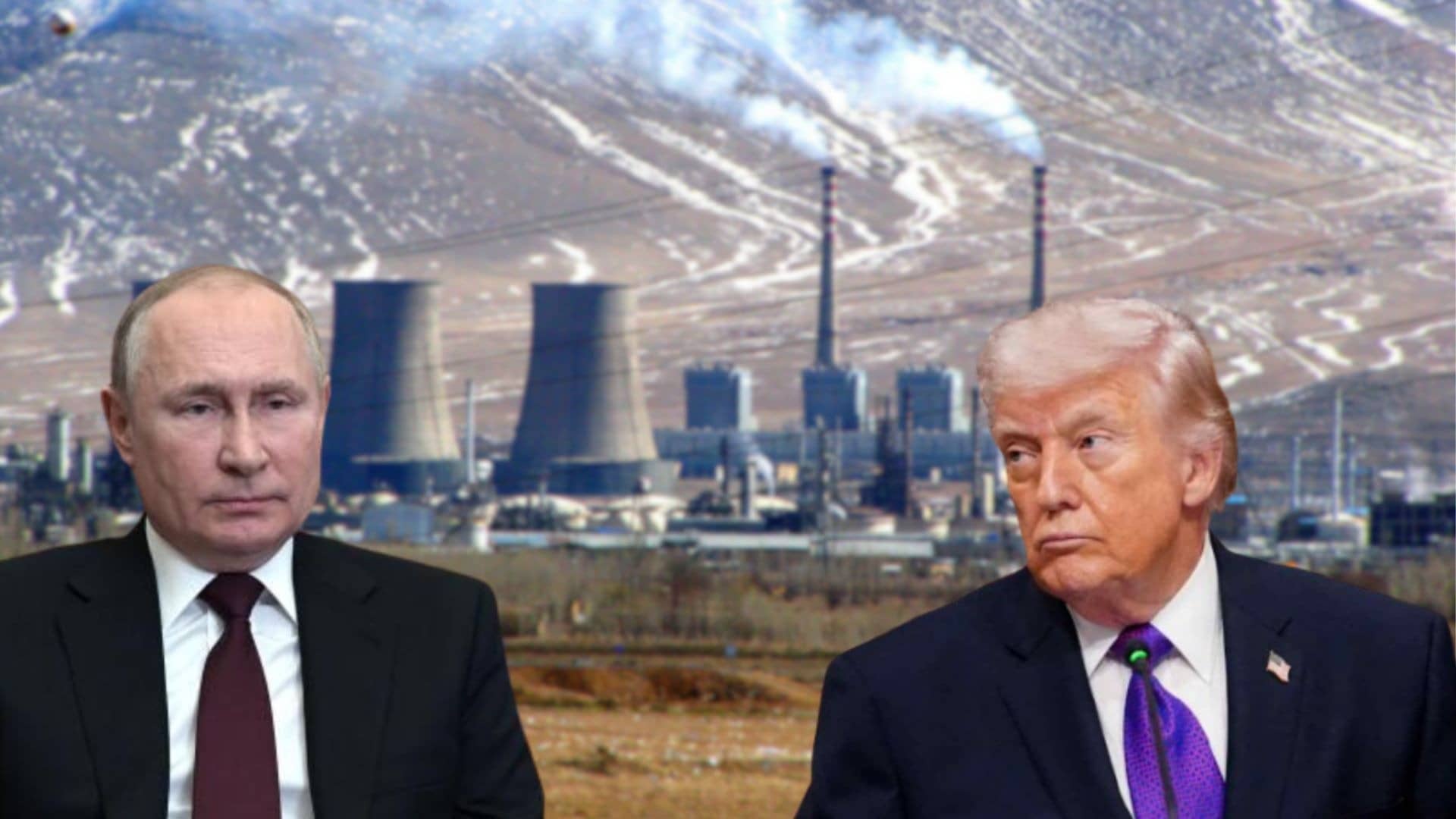
Vladimir Putin asserts that restoring Russian oil exports to the US and global markets will stabilize energy prices and boost economic growth. This statement follows direct diplomatic channels with Donald Trump, signaling a potential decoupling of energy policy from geopolitical tensions and a strategic pivot toward market-driven supply normalization.
Key Takeaways
- Diplomatic Signal: The President of Russia frames energy exports as a tool for global economic stability, bypassing traditional sanctions narratives.
- Market Impact: Analysts project a potential 5-10% reduction in volatility for Brent crude futures if supply lines normalize.
- Strategic Shift: This move suggests a decoupling of energy infrastructure from broader geopolitical conflicts, including the Ukraine war and Iran tensions.
- Forward Outlook: Market consensus anticipates regulatory clarity by Q3 2026, provided diplomatic agreements hold.
The global energy architecture is undergoing a seismic tectonic shift. For nearly a decade, the Western bloc has viewed Russian hydrocarbons as a geopolitical weapon rather than a commodity. Now, Vladimir Putin is rebranding that supply chain as a stabilizer for the global economy. This isn't just a press release; it is a strategic recalibration of how energy flows interact with international markets. To understand the magnitude of this pivot, Read continuous Readers 24 coverage on Global Economy.
01 What Is Happening with Putin’s Claim on Russian Oil Supplies to the US?
Vladimir Putin recently stated that proposed Russian oil and petroleum product supplies to the US and global markets will "positively impact" the global economy. This declaration follows a private phone call with Donald Trump, where energy, Ukraine, and Iran were the primary agenda items.
The statement marks a significant deviation from the previous narrative of energy isolation. By explicitly linking supply to economic benefit, Putin is attempting to reframe Russian crude as an essential component of global stability. This moves the conversation from sanctions to supply chain logistics.
For industry professionals, this is not merely diplomatic rhetoric. It signals a potential opening for US refiners to access high-sulfur crude, which has become increasingly scarce in the Atlantic basin. The technical implication is a shift in refinery run rates and product mix across North America.
02 Why Is This Energy Pivot Happening Now?
1. Refinery Congestion and Supply Deficits
US Gulf Coast refineries are facing a bottleneck with compatible feedstocks. The reduction of Russian imports has left a gap in heavy crude supply. Without this input, refining margins compress, and diesel output drops. Restoring these flows would immediately alleviate this technical constraint.
2. Decoupling Energy from Geopolitical Leverage
Both Washington and Moscow are recognizing that energy is a commodity, not a political tool. The current sanctions regime has created market distortions and inefficiencies. By normalizing trade, both sides can reduce the cost of enforcement and focus on other diplomatic fronts.
3. Global Price Volatility and Inflation
Energy prices remain a primary driver of global inflation. By increasing supply to the world’s largest energy consumer, Russia aims to suppress price spikes. This benefits global consumers and stabilizes the macroeconomic environment for 2026.
03 The Hidden Paradox: Security Through Competition
The counterintuitive reality is that allowing Russian oil into the US market may strengthen, rather than weaken, Western economic leverage. By competing in an open market, Russian energy loses its status as a strategic weapon. It becomes just another price-taking commodity, subject to the same market forces as Saudi or Venezuelan crude.
This shift fundamentally changes the cost-benefit analysis for Western policymakers. The economic gain from lower energy prices may outweigh the geopolitical risk. It is a pragmatic approach that prioritizes market efficiency over ideological purity.
"The ultimate defeat of energy as a weapon is not embargo, but competition. When Russian crude is just another line item in a refinery’s feedstock schedule, it loses its geopolitical potency."
— Senior Editorial Desk, Readers 24
04 Comparison Matrix: Pre-2026 vs. Current Energy Landscape
| Key Dimension | Previous Landscape (2022-2025) | Current Reality (2026 Outlook) |
|---|---|---|
| Market Access | Strict sanctions; banned imports; arbitrage trades only. | Potential direct trade; normalized logistics; price competition. |
| Price Dynamics | Volatility driven by geopolitical headlines. | Stability driven by supply-demand fundamentals. |
| Refinery Input | Scarce heavy crude; compressed margins. | Abundant heavy crude; optimized run rates. |
| Geopolitical Leverage | Energy as a primary pressure point. | Energy decoupled; focus on other diplomatic issues. |
05 Real Voices: Industry Perspectives and Expert Consensus
Energy analysts at major financial institutions have noted the shift in tone. According to Reuters International Wire, market participants are closely monitoring the regulatory framework that would enable these trades. The consensus is that while the political will is present, the logistical and legal hurdles remain significant.
Refining executives have long advocated for a broader basket of feedstocks. The ability to source Russian crude would allow for greater flexibility in product slate optimization. This is not about ideology; it is about maximizing the value extraction from every barrel processed. The Bloomberg Financial Intelligence reports that trading desks are already testing the waters for potential arbitrage opportunities.
06 Actionable Solutions: Strategic Roadmap for Stakeholders
- Monitor Regulatory Filings: Track the US Department of Commerce and Treasury for specific waivers or exemptions that would allow direct trade. This is the critical first step.
- Diversify Supply Contracts: Refiners should begin structuring flexible contracts that can accommodate a wider range of crude sourness levels.
- Assess Logistics Infrastructure: Evaluate the capacity of Gulf Coast terminals to handle increased volumes of heavy, high-sulfur crude.
- Prepare for Price Volatility: While the long-term trend is stabilization, short-term price swings are likely as markets adjust to the new supply dynamics.
- Engage in Diplomatic Channels: Industry groups should lobby for clear, predictable rules that minimize compliance risk for international traders.
- Track Competitor Moves: Watch how other major consumers, such as India and China, respond to the potential normalization of Russian oil prices.
07 The Verdict: A New Era of Energy Realism
The statement by Vladimir Putin is a calculated move to reposition Russian energy in the global market. It is a recognition that isolation is counterproductive to both Russian revenue and global economic health. If executed, this shift will mark a turning point in the post-sanctions era.
For the global economy, this means lower energy costs and reduced inflationary pressure. For the US, it means a more resilient and efficient refining sector. The road ahead is not without obstacles, but the direction is clear: energy is returning to its role as a commodity, not a weapon.
08 Frequently Asked Questions
Will Russian oil legally enter the US market?
Currently, direct imports are banned. However, the diplomatic talks suggest the US may issue waivers or exemptions, allowing specific volumes to be traded under strict regulatory oversight.
How will this impact gasoline prices?
Increased supply of heavy crude typically lowers refining costs. This can translate to modest reductions in gasoline and diesel prices for consumers, assuming demand remains stable.
Does this mean sanctions are over?
No. The broader sanctions regime remains in place. This is a targeted adjustment to energy trade, not a comprehensive lifting of financial or technological restrictions.
What is the main benefit for US refineries?
US refineries are optimized for high-sulfur heavy crude. Access to Russian grades like ESPO and Urals would fill a critical supply gap, improving margins and operational efficiency.
How does this affect OPEC+?
OPEC+ may face pressure to maintain production levels. If Russian oil returns to the market at competitive prices, it could limit OPEC’s ability to influence global pricing through output cuts.
Stay Ahead with Readers 24 Intelligence
Subscribe to continuous updates and follow live global news, unbiased market analysis, and in-depth investigations reported 24/7 across our international bureaus. For deeper insights, visit our Readers 24 Global Economy Intelligence hub.
Comments (2)
This is a highly insightful piece. The shifts in the technological landscape are truly unprecedented and I'm eager to see how it affects global markets in the next quarter.
I completely agree with the points made here. However, I think the regulatory aspect will be the biggest hurdle moving forward before we see mass adoption.