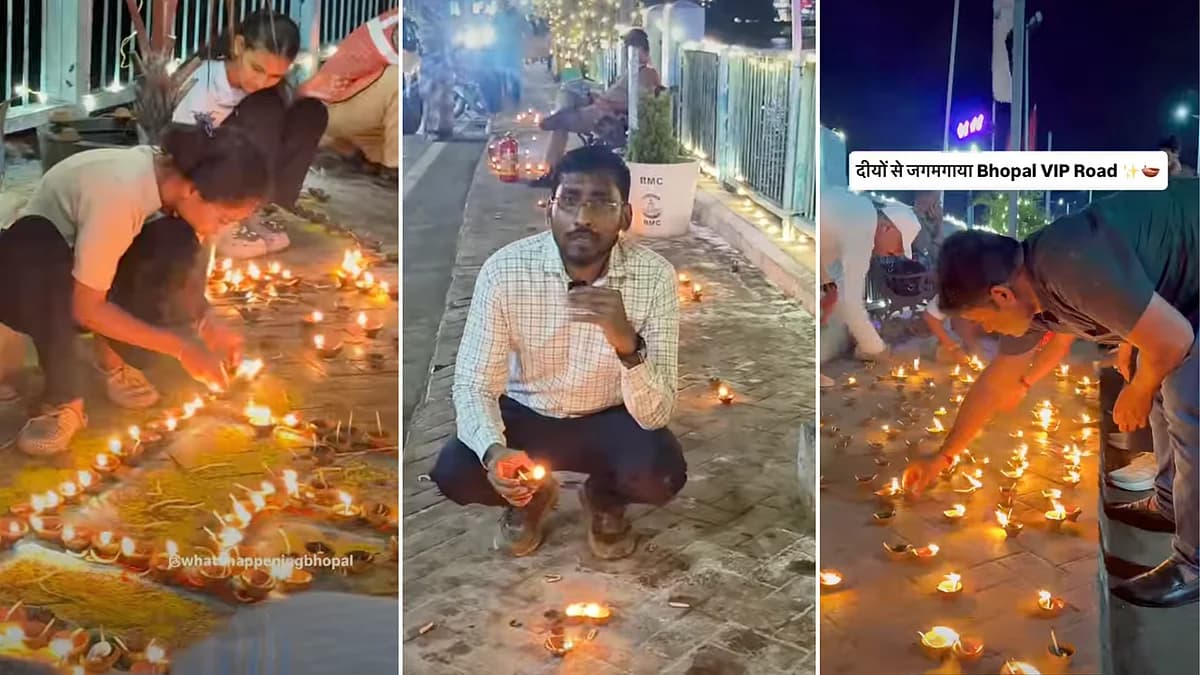
The "Aashirvad Ka Diya" initiative, marking PM Modi's 76th birthday, involved lighting 3.55 crore diyas across Madhya Pradesh. The project sparked intense online debate when a journalist questioned the cost-effectiveness of the short-lived oil display, suggesting alternative public-service uses for the funds, thereby highlighting the tension between symbolic visibility and tangible resource allocation in modern mass engagement strategies.
Key Takeaways
- Scale of Engagement: The event mobilized 3.55 crore diyas, creating a massive visual footprint across state highways and urban centers like Bhopal.
- Cost Controversy: Critics highlighted the recurring expense of oil for traditional lamps, questioning the long-term economic utility of a temporary aesthetic display.
- Public Sentiment Shift: The debate reflects a growing audience preference for sustainable, high-impact utility over ephemeral symbolic gestures in large-scale initiatives.
- Strategic Implication: Future mass engagement campaigns may pivot toward digital integration and tangible infrastructure upgrades to maintain credibility and public trust.
On a single evening in Madhya Pradesh, the landscape transformed from standard infrastructure to a sea of flame, with 3.55 crore diyas illuminating the night. This massive display, intended to honor a specific milestone, quickly became a flashpoint for digital discourse. The scale was undeniable, yet the question of value became the dominant narrative in the following hours. For those tracking the evolution of mass engagement and public spectacle, this incident marks a significant shift in how audiences perceive the return on investment for symbolic events. Read continuous Readers 24 coverage on MOdi did to understand the broader context of this cultural phenomenon.
01 Decoding the Aashirvad Ka Diya Phenomenon and Its Digital Aftermath
The "Aashirvad Ka Diya" campaign was designed as a high-visibility tribute, leveraging traditional iconography to create a unified visual narrative across the state. The physical execution was extensive, with hundreds of lamps lining high-traffic areas such as Bhopal’s VIP Road. This created a powerful, immediate aesthetic impact that dominated local social media feeds. The sheer number of lights served as a metric of participation and reach.However, the digital conversation shifted rapidly from celebration to critique. A prominent journalist’s commentary questioned the practicality of the initiative, specifically citing the high cost of oil required to sustain the flames. This critique resonated with a segment of the audience that values tangible outcomes over temporary visual displays. The debate moved beyond the event itself, touching on broader themes of resource management and public spending.
The video of this interaction went viral, encapsulating the tension between symbolic authority and practical utility. The journalist suggested that the funds could be better allocated to employment fairs or other public-service activities. This alternative proposal highlighted a disconnect between the intent of the organizers and the expectations of a modern, economically conscious audience. The incident is less about the lamps and more about the changing metrics of public engagement.
02 Structural Drivers Behind the Intense Online Debate
1. The Economics of Ephemeral Displays
The primary driver of the controversy is the high operational cost of traditional oil lamps. Unlike static installations, diyas require a continuous supply of fuel to maintain their glow. For a scale of 3.55 crore units, the cumulative expense of oil is substantial. This recurring cost creates a financial burden that is difficult to justify when the display is temporary. The market for such events is increasingly scrutinized for its cost-efficiency ratio.2. Shift in Audience Expectations
Modern audiences, particularly in the digital sphere, are increasingly data-driven and pragmatic. They expect public initiatives to yield measurable, long-term benefits. The preference is shifting from symbolic gestures to tangible improvements in infrastructure or social services. This change in consumer psychology is a key factor in the backlash. The audience is no longer satisfied with visual spectacle alone; they demand functional value.3. The Power of Digital Amplification
Social media platforms accelerate the spread of critical narratives. A single video clip can reach millions within hours, bypassing traditional media filters. This amplification effect means that any perceived inefficiency or controversy is magnified exponentially. The digital ecosystem rewards speed and clarity, often penalizing ambiguity or perceived waste. This structural reality forces organizers to anticipate and address potential criticisms proactively.03 The Irony of Visibility: When Light Becomes a Liability
The central paradox of the "Aashirvad Ka Diya" initiative lies in its very nature. The diyas were intended to symbolize hope, prosperity, and unity. However, the medium of oil and flame, while traditional, is inherently unsustainable and costly. The more visible the display, the higher the cost, and the greater the potential for criticism. This creates a scenario where the effort to maximize impact inadvertently maximizes vulnerability to critique.The irony is that the very element meant to draw attention—the light—is also the element that consumes resources. This contradiction highlights a deeper issue in mass engagement strategies. There is a growing tension between the desire for grandeur and the need for efficiency. The public is increasingly aware of this trade-off and is unwilling to accept it without justification. This shift in public sentiment is a significant development in the landscape of modern communication.
"The paradox of the diya is that its brilliance is temporary, but its cost is permanent, forcing a reckoning with the true price of visibility."
— Senior Editorial Desk, Readers 24
04 Comparative Analysis: Traditional vs. Modern Engagement Metrics
| Key Dimension | Previous Landscape | Current Reality |
|---|---|---|
| Primary Metric | Visual Impact and Participation Count | Cost-Efficiency and Long-Term Utility |
| Resource Allocation | Focus on Consumables (Oil, Lamps) | Focus on Infrastructure and Services |
| Public Sentiment | Receptive to Symbolic Grandeur | Critical of Ephemeral Spending |
| Digital Narrative | Positive Celebration | Debated Utility and Cost |
05 Industry Perspectives on the Cost-Effectiveness of Mass Events
Industry analysts note that the shift in public sentiment is not isolated to this specific event. There is a broader trend across global markets where audiences are demanding greater transparency and efficiency in large-scale initiatives. The commentary from the journalist in this case aligns with a wider discourse on resource management. Experts suggest that future campaigns must integrate data-driven metrics to demonstrate value beyond the immediate visual impact.The consensus among strategic communicators is that symbolic events must be accompanied by tangible benefits. The "Aashirvad Ka Diya" incident serves as a case study in this evolving landscape. The ability to pivot from celebration to utility is now a critical skill for any organization engaging with the public. The failure to do so can result in a significant loss of credibility and trust. This lesson is likely to influence future planning and execution strategies.
06 Strategic Roadmap for Future Mass Engagement Initiatives
- Integrate Digital Alternatives: Utilize LED lighting or projection mapping to reduce fuel costs while maintaining visual impact. This approach is more sustainable and cost-effective in the long run.
- Pair with Tangible Services: Link symbolic events with practical initiatives such as employment fairs or health camps. This dual approach addresses both emotional and functional needs of the audience.
- Transparent Cost Reporting: Publish detailed breakdowns of expenses to build trust and demonstrate accountability. Transparency can mitigate criticism and enhance public support.
- Community Involvement: Engage local communities in the planning and execution of events. This ensures that the initiatives are relevant and valued by the target audience.
- Sustainability Metrics: Establish clear metrics for environmental and economic sustainability. This aligns the initiative with global best practices and modern expectations.
07 The Forward Outlook: Redefining the Value of Public Spectacle
The "Aashirvad Ka Diya" debate is a pivotal moment in the evolution of public engagement. It signals a clear shift towards pragmatism and efficiency. Future initiatives will need to balance symbolic significance with tangible value to maintain public trust. The era of purely visual spectacle is giving way to an era of integrated, multi-benefit campaigns.Organizers must adapt to this new reality by adopting data-driven strategies and transparent communication. The ability to demonstrate clear value beyond the immediate event will be the key to success. This incident will likely serve as a benchmark for future evaluations of public initiatives. The lesson is clear: in the modern landscape, visibility must be backed by substance.
08 Frequently Asked Questions
What was the primary criticism of the Aashirvad Ka Diya event?
The main criticism focused on the high cost of oil for 3.55 crore diyas. Critics argued that the funds could be better spent on long-term public services like employment fairs, questioning the value of a temporary display.
Why did the journalist question the cost of the diyas?
The journalist highlighted the recurring expense of fuel for traditional lamps. They suggested that the short-lived nature of the display did not justify the significant financial outlay, advocating for more sustainable uses of the budget.
How many diyas were lit in Madhya Pradesh?
A total of 3.55 crore diyas were lit across the state. This included hundreds of lamps along major urban routes like Bhopal’s VIP Road, creating a massive visual impact that drew widespread attention.
What alternative did the journalist suggest for the funds?
The journalist proposed using the allocated funds for employment fairs or other public-service activities. This suggestion aimed to provide tangible benefits to the community rather than a temporary aesthetic experience.
What does this debate reveal about public sentiment?
The debate reflects a growing preference for practical, long-term benefits over symbolic gestures. Audiences are increasingly scrutinizing the cost-effectiveness and utility of large-scale public initiatives.
Stay Ahead with Readers 24 Intelligence
Subscribe to continuous updates and follow live global news, unbiased market analysis, and in-depth investigations reported 24/7 across our international bureaus.
Verify primary documentation and global coverage metrics ↗ Follow live continuous analysis on Readers 24 Live
Comments (2)
This is a highly insightful piece. The shifts in the technological landscape are truly unprecedented and I'm eager to see how it affects global markets in the next quarter.
I completely agree with the points made here. However, I think the regulatory aspect will be the biggest hurdle moving forward before we see mass adoption.