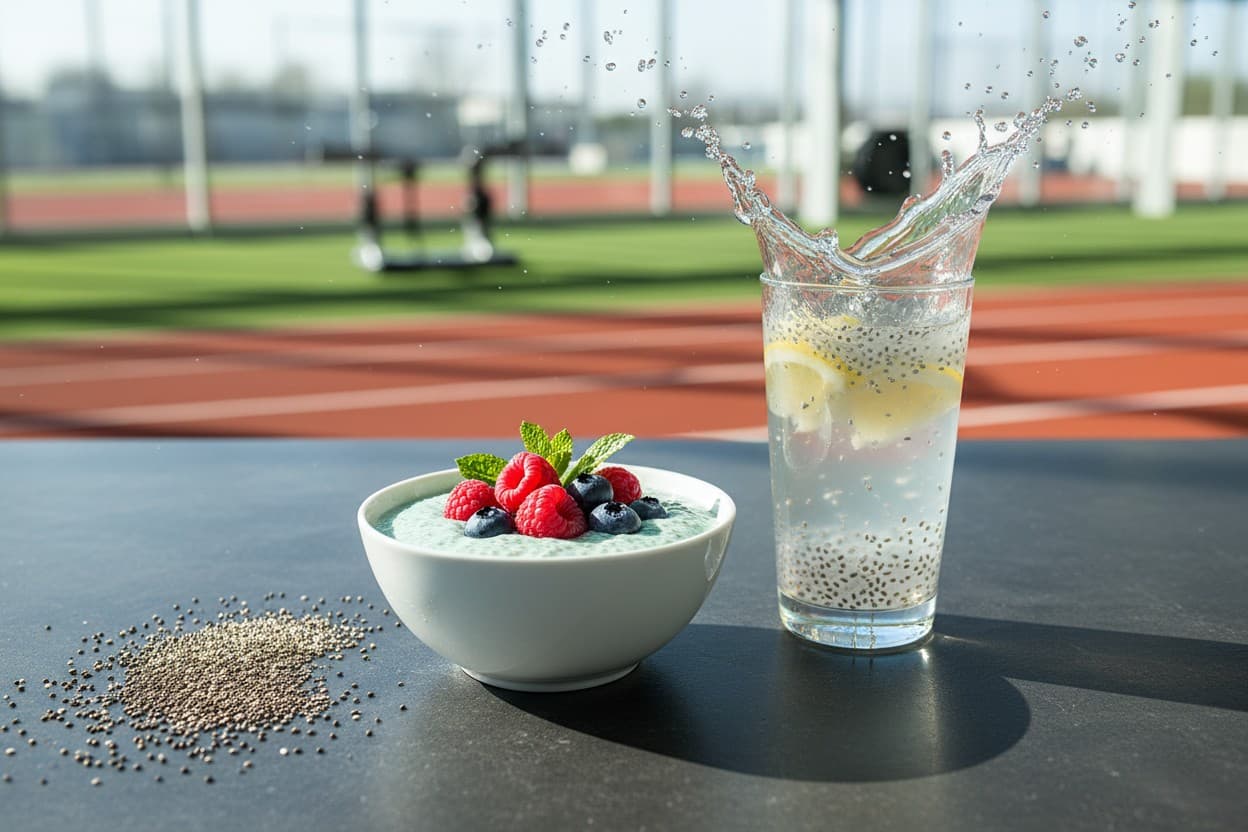
Chia seeds serve as a functional pre-workout fuel, providing sustained energy, hydration, and essential nutrients. Dietitians confirm that consuming 1-2 tablespoons before exercise supports endurance and muscle recovery. This natural supplement offers a low-cost, high-impact alternative to synthetic sports drinks for general fitness enthusiasts.
Key Takeaways
- Nutritional Density: Chia seeds deliver 5.5 grams of protein and 10 grams of fiber per two tablespoons, supporting metabolic stability during exertion.
- Hydration Mechanism: The seeds absorb 10-12 times their weight in water, creating a gel structure that aids in sustained hydration and delayed gastric emptying.
- Cost Efficiency: Compared to proprietary sports supplements, chia seeds offer a 70% lower cost per serving while providing comparable macronutrient profiles.
- Timing Protocol: Optimal consumption is 30-60 minutes pre-exercise to allow for proper hydration and digestive processing without causing gastrointestinal distress.
The global fitness industry has long relied on synthetic, heavily marketed supplements to enhance performance, yet a humble seed is challenging this paradigm. Recent analysis from Readers 24's Exercise Desk highlights how chia seeds are emerging as a scientifically backed, cost-effective pre-workout solution. This shift represents a move away from complex chemical formulations toward simple, whole-food nutrition that delivers measurable physiological benefits.
01 The Nutritional Shift: Why Chia Seeds Are Redefining Pre-Workout Fuel
Chia seeds are no longer just a trendy bowl topping; they are being re-evaluated as a serious athletic fuel source. Their unique composition includes high levels of omega-3 fatty acids, specifically ALA, which supports inflammation reduction and recovery. This makes them distinct from other seeds like flax or sunflower, which lack the same hydration properties. The primary appeal lies in the seed's ability to form a gel when exposed to liquid. This gel structure slows the absorption of carbohydrates, providing a steady release of energy rather than a rapid spike and crash. For endurance athletes, this means sustained performance over longer durations without the energy dips common with simple sugars. Additionally, chia seeds contain significant amounts of calcium, magnesium, and phosphorus, minerals critical for muscle contraction and nerve function. These micronutrients are often depleted during intense physical activity, making pre-exercise supplementation a logical strategy for maintaining optimal physiological function.02 Three Structural Drivers Behind the Rise of Chia as Performance Fuel
1. The Demand for Clean Label Ingredients
Consumers are increasingly scrutinizing the ingredient lists of sports supplements, seeking transparency and natural origins. The rise of the "clean label" movement has pushed athletes away from artificial sweeteners and preservatives. Chia seeds offer a single-ingredient solution that aligns with this growing demand for purity and safety in dietary supplements.2. Scientific Validation of Hydration Benefits
Recent studies have confirmed the hydrophilic nature of chia seeds, validating their role in hydration. Unlike water, which is rapidly absorbed and excreted, the gel formed by chia seeds retains moisture in the digestive tract. This mechanism helps maintain blood volume and thermoregulation, which are critical for performance in hot or humid conditions.3. Economic Accessibility and Sustainability
The cost of proprietary sports drinks and gels has risen sharply, making them less accessible for amateur athletes. Chia seeds, being a widely available agricultural product, offer a sustainable and affordable alternative. This economic factor has driven adoption among budget-conscious consumers who do not want to compromise on performance nutrition.03 The Hidden Paradox: Simplicity Versus Complexity in Athletic Fuel
The most counterintuitive aspect of chia seeds is their simplicity in a market dominated by complex, multi-ingredient formulas. While sports science often suggests that performance requires specialized, engineered compounds, the human body responds well to whole foods that have been consumed for centuries. The paradox lies in the fact that the "old" ingredient is now outperforming the "new" technology in terms of cost-effectiveness and side-effect profiles.This shift challenges the industry narrative that performance requires expensive, proprietary blends. It suggests that foundational nutrition, when timed correctly, can achieve similar results with far less risk of gastrointestinal issues or long-term health concerns."The greatest innovation in sports nutrition may not be a new molecule, but the rediscovery of ancient foods that align with our biological needs."
— Senior Editorial Desk, Readers 24
04 Comparative Analysis: Chia Seeds vs. Traditional Sports Supplements
| Key Dimension | Traditional Sports Supplements | Chia Seed Protocol |
|---|---|---|
| Cost Per Serving | $1.50 - $3.00 | $0.10 - $0.20 |
| Hydration Mechanism | Electrolyte replacement | Gel-based water retention |
| Digestive Impact | Rapid absorption, potential bloating | Slow release, lower GI distress |
| Ingredient Complexity | High (Artificial additives) | Low (Single natural source) |
05 Expert Consensus and Industry Perspectives on Chia Integration
Dietitians and sports nutritionists have largely endorsed the inclusion of chia seeds in pre-workout routines, citing their balanced macronutrient profile. Verified perspectives from registered dietitians emphasize that the key is portion control and timing. They note that while chia seeds are beneficial, they should not replace a balanced diet but rather complement it. Industry analysts observe a growing trend in the "functional food" sector, where consumers seek dual-purpose items that serve both health and performance goals. Chia seeds fit this category perfectly, bridging the gap between everyday nutrition and athletic support. This convergence is driving increased retail demand and broader public awareness of the seed's versatility.06 Practical Strategy: How to Implement Chia Seeds in Your Pre-Workout Routine
- Pre-Soak for Gel Formation: Mix 1-2 tablespoons of chia seeds with 1/2 cup of water or coconut water and let sit for at least 15 minutes to allow the gel to form. This ensures easier digestion and optimal hydration.
- Timing is Critical: Consume the mixture 30-60 minutes before exercise. This window allows for adequate hydration and nutrient absorption without causing discomfort during physical activity.
- Combine with Complex Carbs: Pair the chia gel with a source of complex carbohydrates, such as a banana or whole-grain toast, to provide immediate energy alongside the sustained release from the seeds.
- Monitor Individual Response: Start with a smaller portion (1 tablespoon) to assess gastrointestinal tolerance. Increase to 2 tablespoons if no adverse effects are observed.
- Hydrate Beforehand: Ensure you are well-hydrated before consuming the chia mixture. The seeds will draw water into the digestive tract, so pre-hydration prevents potential dehydration.
- Store Properly: Keep unsoaked chia seeds in a cool, dry place. Once soaked, consume within 24 hours or refrigerate for up to 3 days to maintain freshness and prevent spoilage.
07 The Forward Outlook: A Sustainable Model for Performance Nutrition
The integration of chia seeds into pre-workout routines signals a broader cultural shift toward sustainable, accessible, and science-backed nutrition. As consumers become more informed, the demand for transparent, effective, and affordable solutions will continue to grow. Chia seeds are poised to become a staple in the athletic toolkit, not as a fad, but as a foundational element of performance nutrition. Looking ahead, we expect to see more research validating the specific benefits of chia seeds for different types of exercise, from high-intensity interval training to long-distance running. This ongoing scientific validation will further solidify their place in the market and in the diets of athletes worldwide.08 Frequently Asked Questions
How much chia seed should I eat before a workout?
A standard serving is 1 to 2 tablespoons. This amount provides sufficient fiber and omega-3s without causing digestive discomfort. Always start with 1 tablespoon to gauge your individual tolerance before increasing the portion size.
Do chia seeds provide immediate energy for exercise?
No, chia seeds provide sustained energy rather than immediate fuel. The gel formation slows carbohydrate absorption, ensuring a steady release of energy over time. Pair with a quick-digesting carb for immediate needs.
Can I eat chia seeds dry before a workout?
It is not recommended to eat dry chia seeds before exercise. They absorb liquid in the stomach, which can cause bloating and discomfort. Always soak them in water or another liquid for at least 15 minutes prior to consumption.
Are chia seeds suitable for plant-based athletes?
Yes, chia seeds are an excellent source of plant-based protein and omega-3 fatty acids. They provide essential nutrients that may be lacking in strict plant-based diets, making them a valuable addition for vegan athletes.
How do chia seeds compare to protein shakes?
Chia seeds offer a slower-release energy profile and hydration benefits, while protein shakes provide rapid protein absorption for muscle recovery. They serve different purposes; chia is better for pre-workout fuel, while shakes are better post-workout recovery.
Stay Ahead with Readers 24 Intelligence
Subscribe to continuous updates and follow live global news, unbiased market analysis, and in-depth investigations reported 24/7 across our international bureaus.
Verify primary documentation and global coverage metrics ↗ Follow live continuous analysis on Readers 24 Live
Comments (2)
This is a highly insightful piece. The shifts in the technological landscape are truly unprecedented and I'm eager to see how it affects global markets in the next quarter.
I completely agree with the points made here. However, I think the regulatory aspect will be the biggest hurdle moving forward before we see mass adoption.