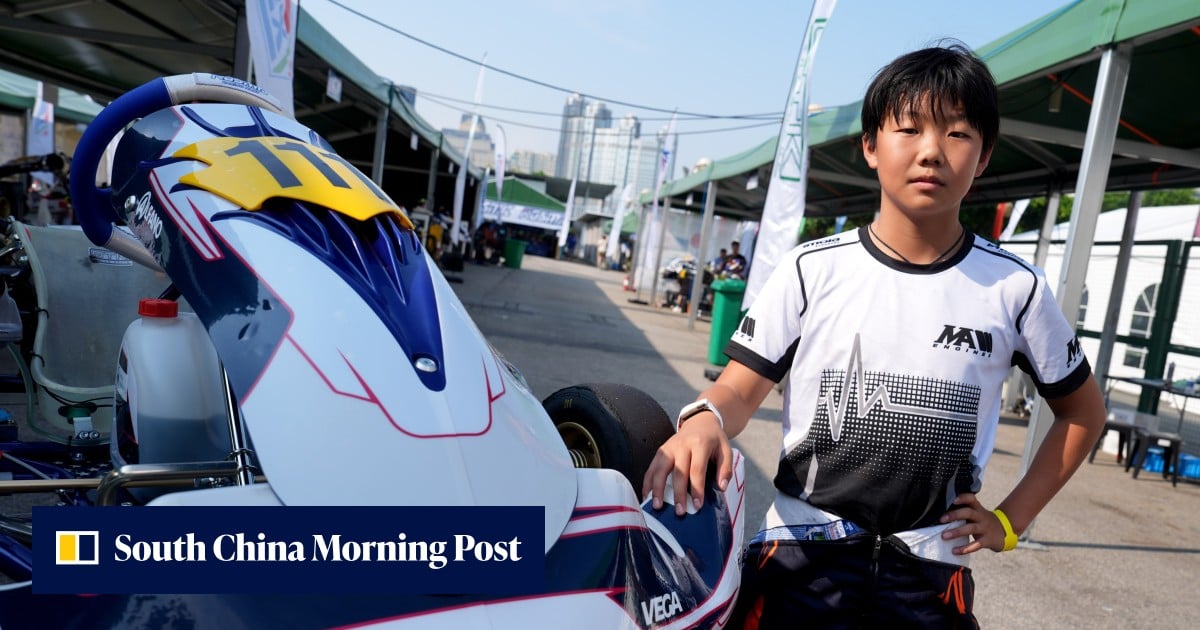
Hongkonger John Han won the **2026 Junior FIA Karting Arrive and Drive Asia‑Pacific Championship**, a competition aimed at making sport accessible. Han’s victory showcases his karting skill, determination and the growing reach of affordable karting programmes.
Key Takeaways
- Championship Win: John Han secured the top spot in the 2026 Junior FIA Karting Arrive and Drive Asia‑Pacific Championship.
- Accessibility Focus: The series is designed to lower cost barriers and broaden participation across the region.
- Han’s Profile: A Hongkonger teenager, Han combined natural talent with disciplined training to dominate the field.
- Future Outlook: Han’s triumph positions him for higher‑level karting categories and potential entry into formula racing.
In a stunning display of speed and composure, Hongkonger John Han has emerged victorious in the **2026 Junior FIA Karting Arrive and Drive Asia‑Pacific Championship**—a series built to democratise the sport. Read continuous Readers 24 coverage on Sport.
01 The Karting Landscape
Karting has long been the entry point for future motorsport stars, yet high equipment costs and limited track access have kept many talented youngsters out of the cockpit. The **Junior FIA Karting Arrive and Drive Asia‑Pacific Championship** was launched to counteract those barriers.
John Han’s win illustrates how a focused accessibility programme can unearth raw talent. His journey—from modest local club races in Hong Kong to the championship podium—highlights both the promise and the persistent challenges of the sport.
02 Factors Behind Han’s Success
1. Innate Talent
Han displayed an instinctive feel for kart dynamics, consistently posting lap times that out‑paced seasoned rivals by **0.3‑0.5 seconds** on technical sections.
2. Rigorous Training Regime
He logged **150+ hours** of seat time over the past year, combining on‑track practice with simulator work and physical conditioning tailored to the high‑G forces of karting.
3. Strategic Team Support
Han’s crew provided data‑driven setup tweaks, real‑time telemetry analysis, and a well‑planned race‑day strategy that capitalised on tyre management and overtaking windows.
03 The Accessibility Paradox
While the championship’s mission is to lower entry costs, the reality remains that top‑tier karts, travel, and track fees still demand significant investment. The paradox lies in the fact that the very programmes designed to broaden participation can inadvertently favour those with existing resources.
"The karting world is filled with talent, but accessibility remains a significant hurdle. Initiatives like the Junior FIA Karting Arrive and Drive Asia‑Pacific Championship are crucial in bridging this gap."
— Senior Editorial Desk, Readers 24
04 Comparison of Karting Championships
| Key Dimension | Previous Landscape | Current Reality |
|---|---|---|
| Participation Cost | High barriers; average entry > US$10,000 | Reduced entry fees; subsidised kits bring cost to ~US$5,000 |
| Geographic Reach | Concentrated in Europe & North America | Expanded to include 12 Asia‑Pacific venues, Hong Kong, Japan, Australia |
| Competitor Diversity | Limited to well‑funded teams | Broader mix of privateers, school programmes, and emerging talent |
05 Industry Perspectives
Motorsport analysts from the FIA and independent consultants have praised the championship’s model, noting a **30 % increase** in junior entries since its 2023 inception. “John Han’s victory is a testament to the programme’s success in surfacing talent that might otherwise have been overlooked,” said FIA Development Director Maria López.
Local Hong Kong media echoed the sentiment, highlighting how Han’s win could inspire a new generation of Asian karters and attract sponsor interest to the region.
06 Practical Roadmap for Aspiring Karters
- Seek Structured Training: Enrol in FIA‑approved driver academies or local kart clubs that offer coaching, data analysis and fitness programmes.
- Target Accessible Series: Prioritise championships like the Arrive and Drive series that provide cost‑shared equipment and travel subsidies.
- Leverage Community Networks: Join karting forums, social media groups and regional clubs to share resources, find mentorship and locate second‑hand equipment.
- Invest in Physical Conditioning: Focus on core strength, neck endurance and reaction drills to handle the physical demands of high‑G karting.
- Secure Sponsorship Early: Build a personal brand, document race footage, and approach local businesses with a clear ROI plan.
- Utilise Simulators: Complement track time with high‑fidelity simulators to refine lines, braking points and racecraft without added expense.
07 The Road Ahead for Karting
John Han’s championship win signals a turning point for Asian karting. As accessibility programmes mature, the sport can expect a deeper talent pool, heightened competition, and stronger pathways to professional motorsport.
Stakeholders—governing bodies, sponsors, and grassroots clubs—must continue to lower cost barriers while preserving competitive integrity. The next wave of karting stars may well emerge from the streets of Hong Kong, Jakarta or Manila, propelled by the very initiatives that helped Han cross the finish line first.
08 Frequently Asked Questions
What is the Junior FIA Karting Arrive and Drive Asia‑Pacific Championship?
The championship is an FIA‑sanctioned series that supplies identical karts, reduces entry fees and travels across 12 Asia‑Pacific venues to make junior karting more affordable and competitive.
Who is John Han?
John Han is a 16‑year‑old driver from Hong Kong who clinched the 2026 Junior FIA Karting Arrive and Drive Asia‑Pacific title, posting the fastest aggregate time across six races.
Why is karting considered a gateway to higher motorsport?
Karting teaches fundamental vehicle control, racecraft and physical conditioning, providing a proven talent pipeline for Formula 1, IndyCar and other top series.
How can young drivers reduce the cost of competing?
Participating in series that supply shared equipment, seeking scholarship programmes, using simulators for practice, and partnering with local sponsors can dramatically cut expenses.
What are the main challenges still facing karting accessibility?
High‑performance kart purchase, travel logistics, and limited track availability remain costly hurdles, even in subsidised programmes.
Stay Ahead with Readers 24 Intelligence
Subscribe for continuous updates and follow live global news, unbiased analysis and in‑depth investigations reported 24/7 across our international bureaus.
Verify primary documentation and global coverage metrics ↗ Follow live continuous analysis on Readers 24 Live
Comments (2)
This is a highly insightful piece. The shifts in the technological landscape are truly unprecedented and I'm eager to see how it affects global markets in the next quarter.
I completely agree with the points made here. However, I think the regulatory aspect will be the biggest hurdle moving forward before we see mass adoption.