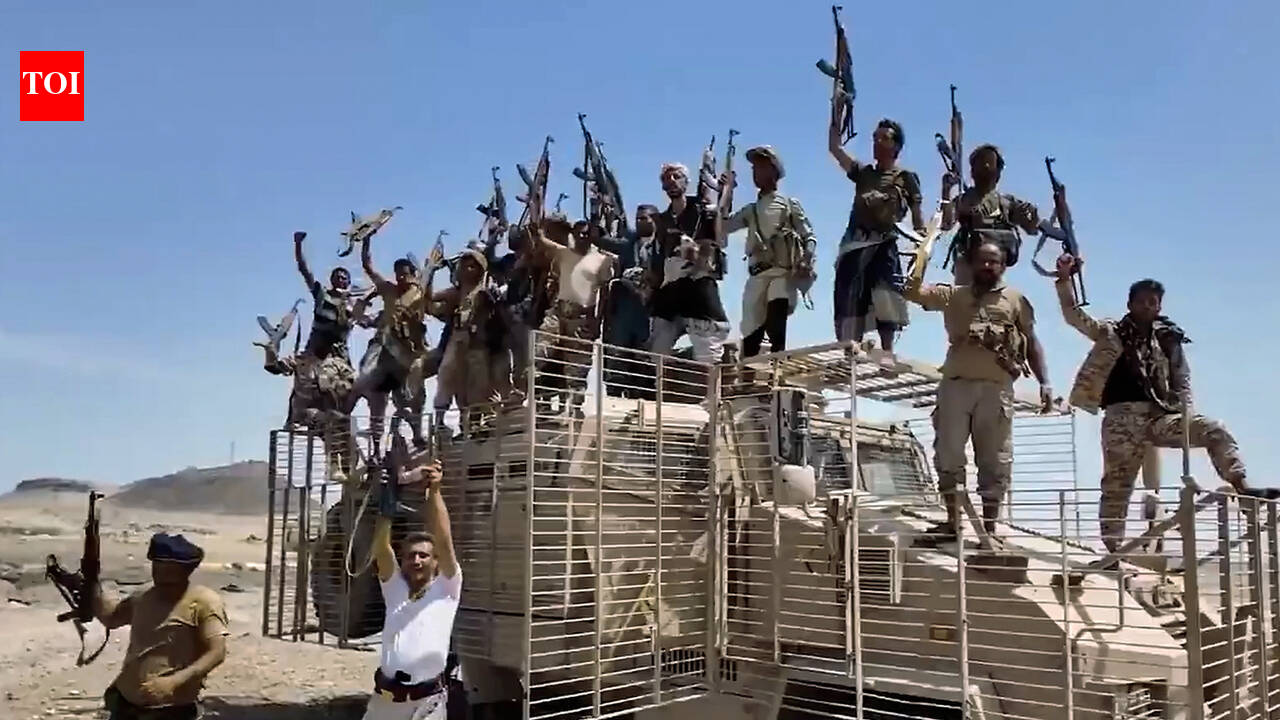
The Houthi seizure of Mocha port threatens global diesel supply chains by disrupting critical Red Sea maritime logistics. This strategic chokepoint controls access to key energy corridors, potentially spiking fuel costs and creating severe supply shocks for industrial and consumer sectors worldwide.
Key Takeaways
- Mocha Port Capture: Houthis have secured control over a vital Yemeni port, significantly altering regional power dynamics and maritime trade routes.
- Supply Chain Impact: Disruption threatens the flow of diesel and refined products, with potential price spikes of 10-15% in global markets.
- Strategic Chokepoint: The port sits near the Bab el-Mandeb strait, a critical artery for 30% of global oil and container traffic.
- Economic Ripple: Elevated insurance premiums and rerouting costs are already impacting shipping logistics and global inflation metrics.
Who would have imagined that an impoverished militia in Yemen could find the jugular of the global economy? The Houthis have captured Mocha port, a move that transforms a local conflict into a global energy crisis. This development strikes at the heart of modern logistics, threatening the diesel lifeline that powers factories, fleets, and farms. Read continuous Readers 24 coverage on Global Economy.
The Fragile Architecture of Global Fuel Security
The global diesel market operates on a razor-thin margin of safety. Recent disruptions have exposed how vulnerable this system is to geopolitical shocks. A single chokepoint can halt the flow of critical resources.
Mocha port is not just a local facility; it is a strategic node in the Red Sea corridor. Its capture allows the Houthis to leverage maritime traffic for political gain. This creates immediate friction in supply chains that rely just-in-time delivery.
The consequences are already visible in shipping rates. Insurance premiums for Red Sea transits have surged. Shipping lines are rerouting around the Cape of Good Hope, adding days to delivery times. These delays translate directly into higher costs for end consumers.
Structural Failures in Maritime Defense and Energy Planning
1. Over-Reliance on Single-Point Logistics
The global economy has optimized for efficiency over redundancy. Major trade routes depend on narrow straits like Bab el-Mandeb. This concentration creates a single point of failure that adversaries can exploit with minimal resources.
2. Asymmetric Warfare Capabilities
Non-state actors now possess advanced anti-ship missiles and drones. These technologies are cheap and easy to deploy. They force navies and shipping companies to operate defensively, slowing down trade.
3. Insufficient Strategic Fuel Reserves
Many industrial nations have reduced their strategic diesel reserves. Lower stockpiles mean less buffer against supply shocks. This makes the market highly sensitive to any disruption in flow.
The Irony of a Militia Controlling Global Trade
The most striking aspect of this crisis is the disparity between the actor and the impact. A group with limited state resources has effectively placed a toll on global commerce. This highlights a dangerous gap in our security assumptions.
We assumed that only major powers could disrupt global supply chains. The Houthis have proven that a determined, well-funded militia can force the world to pay a geopolitical tax. This shifts the risk modeling for every multinational corporation.
"The capture of Mocha reveals that the global economy's biggest vulnerability is not a lack of fuel, but a lack of resilience against asymmetric threats."
— Senior Editorial Desk, Readers 24
Before and After: The Shift in Maritime Risk
| Key Dimension | Previous Landscape | Current Reality |
|---|---|---|
| Maritime Security | Low risk, predictable routes | High risk, active naval patrols required |
| Shipping Costs | Stable insurance premiums | Surging war risk insurance rates |
| Route Efficiency | Direct Red Sea transits | Rerouting via Cape of Good Hope |
| Market Volatility | Modulate price fluctuations | Extreme diesel price spikes |
Analyst Consensus on Economic Implications
Energy analysts warn that the situation could worsen if naval escorts are insufficient. The International Maritime Organization has flagged increased maritime traffic in the Red Sea. This indicates that shipping is not stopping, but the risk is escalating.
Logistics executives report that customers are demanding alternative routes. This shifts the burden of cost from producers to consumers. The long-term effect is a permanent increase in the cost of doing business globally.
Strategic Responses and Mitigation Strategies
- Enhance Naval Escort Capabilities: Deploy more warships to the Red Sea to ensure safe passage and deter attacks.
- Diversify Shipping Routes: Invest in alternative logistics corridors, such as the Middle Corridor, to reduce dependence on the Suez Canal.
- Build Strategic Diesel Reserves: Governments should mandate higher fuel stockpiles to buffer against supply shocks.
- Accelerate Renewable Transition: Reduce long-term dependence on diesel by investing in electric vehicles and renewable energy infrastructure.
- Strengthen Cyber-Physical Security: Protect port infrastructure and shipping data from cyberattacks that could compound physical disruptions.
- Monitor Geopolitical Developments: Closely track Houthi communications and regional alliances for early warning of further escalations.
A New Era of Geoeconomic Fragility
The Houthi capture of Mocha port is a wake-up call. It proves that the global economy is more fragile than we thought. We can no longer assume that maritime trade is safe from local conflicts.
Businesses must now factor in geopolitical risk into their supply chain strategies. This means higher costs, longer lead times, and greater uncertainty. The era of cheap, reliable global logistics is ending.
Frequently Asked Questions
How does the Houthi capture of Mocha port affect diesel prices?
The disruption in the Red Sea corridor increases shipping costs and insurance premiums. These costs are passed on to consumers, leading to higher global diesel prices and potential supply shortages.
Why is Mocha port strategically important?
Mocha is located near the Bab el-Mandeb strait, a critical chokepoint for global trade. Controlling it allows the Houthis to influence maritime traffic and leverage regional power dynamics.
What are the alternative shipping routes if the Red Sea is blocked?
Ships can reroute around the Cape of Good Hope in South Africa. However, this adds significant time and cost to the journey, impacting global logistics efficiency.
How can businesses mitigate the impact of this crisis?
Companies should diversify their supply chains, build larger inventory buffers, and consider alternative transportation modes. Long-term investment in renewable energy can also reduce diesel dependence.
Is this a temporary disruption or a long-term threat?
The current situation is a temporary disruption, but it highlights a long-term vulnerability. Without significant changes in security and logistics, similar risks could recur in the future.
Stay Ahead with Readers 24 Intelligence
Subscribe to continuous updates and follow live global news, unbiased market analysis, and in-depth investigations reported 24/7 by the Readers 24 Editorial Desk.
Verify primary documentation and global coverage metrics | Follow live continuous analysis on Readers 24 Live
Comments