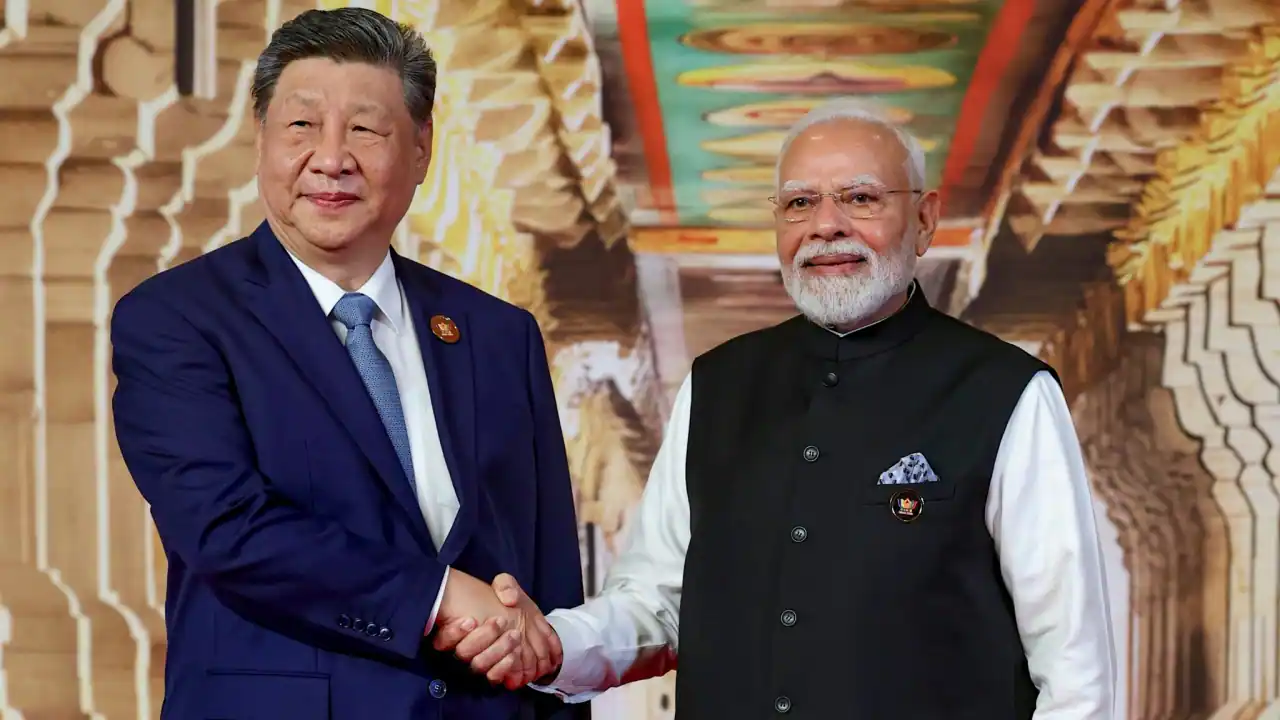
Analysts assert that Prime Minister Narendra Modi has achieved a diplomatic feat unmatched by other non-Western leaders by securing sustained energy access despite Western sanctions. While China purchases more Russian oil, its economic leverage allows it to face less severe punitive measures. India’s strategy relies on building sovereign infrastructure and diversifying supply chains to mitigate geopolitical risk.
Key Takeaways
- Diplomatic Distinction: Unlike other emerging markets, India has navigated Western pressure to maintain discounted Russian crude imports without triggering equivalent secondary sanctions.
- Volume vs. Vulnerability: China imports higher volumes of Russian energy but possesses greater systemic leverage, reducing its exposure to economic retaliation compared to India.
- Infrastructure Resilience: India’s rapid expansion of refining capacity and storage facilities has created a structural buffer against supply chain disruptions.
- Strategic Autonomy: The move signals a shift toward multipolar energy markets, challenging the petrodollar dominance and offering alternatives for non-aligned nations.
In the high-stakes arena of global energy politics, a new benchmark has been established. Prime Minister Narendra Modi has been credited by leading geopolitical analysts for executing a maneuver that "no non-western leader" has successfully replicated: securing a stable, discounted energy supply from Russia while operating within the shadow of stringent Western sanctions. This achievement is not merely a diplomatic victory; it is a fundamental restructuring of India’s fiscal and industrial positioning in the global economy. As energy costs dictate national competitiveness, this strategic pivot offers a blueprint for sovereign resilience. Read continuous Readers 24 coverage on Global Economy.
01 Understanding the Strategic Pivot in Global Energy Markets
The core of this narrative lies in the divergence between volume and vulnerability. While China remains the largest buyer of Russian crude, its integration into the global financial system makes it a different target for punitive measures. India, however, managed to insulate its economy from the most severe retaliatory actions.
This distinction is critical for understanding modern geopolitical economics. It is not just about buying oil; it is about the legal and financial architecture surrounding the transaction. India’s approach involved a combination of diplomatic signaling and operational flexibility that prevented Western nations from isolating the Indian economy.
Real-world examples of this strategy include the rapid negotiation of rupee-ruble trade mechanisms and the expansion of domestic refining capabilities. These moves allowed New Delhi to absorb price shocks and maintain industrial stability while global energy prices remained volatile.
02 Why Is This Strategic Advantage Emerging Now?
1. The Asymmetry of Economic Leverage
China’s status as the "world’s factory" gives it a unique shield. Western economies are deeply dependent on Chinese manufacturing output, creating a mutual deterrence that limits the scope of sanctions. India, while growing rapidly, does not yet command the same level of indispensable supply chain control, requiring a more nuanced diplomatic approach to achieve similar results.
2. Infrastructure-Driven Sovereignty
India’s decision to invest heavily in refining and petrochemical infrastructure has transformed its energy security posture. By increasing domestic processing capacity, India reduced its dependence on finished products and gained bargaining power over raw crude. This structural shift allowed the nation to dictate terms of engagement with suppliers.
3. Diplomatic Balancing and Non-Alignment
New Delhi’s consistent adherence to a non-aligned foreign policy has provided credibility with both Western and Eastern blocs. This diplomatic neutrality allowed India to act as a bridge rather than a target. By refusing to explicitly condemn the conflict while maintaining economic ties with the West, India created a gray zone that was difficult for sanctions architects to navigate.
03 The Paradox of the Largest Buyer vs. The Most Criticized
The counterintuitive reality is that the nation buying the most Russian oil is not the one facing the most severe economic isolation. China’s massive volume provides it with systemic importance, making sanctions against it self-defeating for the West. India, despite lower volumes, faced intense scrutiny because its success threatened to normalize the post-sanction energy trade.
This creates a paradox where the smaller buyer has to work harder and be more innovative to achieve the same security as the larger buyer. India’s "success" is thus a testament to agility and diplomatic skill, whereas China’s is a byproduct of its sheer economic scale.
"The true cost of energy independence is not measured in barrels, but in the diplomatic capital required to secure them."
— Senior Editorial Desk, Readers 24
04 Comparative Analysis: India vs. China in the Post-Sanction Era
| Key Dimension | Previous Landscape (Pre-2022) | Current Reality (2026) |
|---|---|---|
| Primary Energy Source | Heavy reliance on Middle Eastern crude | Diversified portfolio with significant Russian share |
| Sanction Exposure | Minimal direct exposure to Russia-related penalties | Managed exposure through diplomatic and financial structuring |
| Refining Capacity | Adequate for domestic needs with limited surplus | Expanded capacity enabling export of refined products |
| Geopolitical Position | Aligned with Western security frameworks | Non-aligned, maintaining economic ties with all major blocs |
05 Expert Consensus on the Shift in Global Power Dynamics
Leading geopolitical economist Kugelman has noted that despite China buying more Russian oil than India, Beijing may not face stricter punishment due to its leverage over the global economy. This assessment underscores the shift from a unipolar sanctions regime to a multipolar reality where economic interdependence limits punitive reach.
Industry analysts highlight that this dynamic encourages other emerging markets to explore similar paths. The success of India’s model suggests that sovereign nations can protect their energy security without fully capitulating to the foreign policy demands of dominant powers. This has implications for the future of the petrodollar and the global financial architecture.
06 Strategic Implications for Global Investors and Policymakers
- Monitor Refining Margins: Track the spread between crude prices and refined product prices in India and China to gauge the effectiveness of their arbitrage strategies.
- Diversify Supply Chains: Businesses dependent on energy-intensive processes should consider sourcing from regions with stable, non-sanctioned energy supplies to mitigate volatility.
- Assess Currency Risk: Evaluate the impact of rupee-ruble trade mechanisms on forex markets and potential ripple effects on other emerging market currencies.
- Invest in Infrastructure: Consider opportunities in energy storage and logistics, as the shift in energy flows requires new infrastructure to support the new trade routes.
- Watch Diplomatic Signals: Monitor statements from Western governments regarding secondary sanctions to anticipate changes in the regulatory environment.
07 The Future of Sovereign Energy Security
India’s achievement marks a turning point in the global energy landscape. It demonstrates that non-Western leaders can navigate the complexities of sanctions and maintain economic stability through strategic agility. This success challenges the assumption that economic coercion is an absolute tool for geopolitical control.
As the world moves toward a more multipolar structure, the ability to secure energy independence will become a key metric of national power. India’s model provides a template for other nations seeking to balance their economic interests with their foreign policy objectives. The era of unipolar energy dominance is giving way to a complex, interconnected network of sovereign interests.
08 Frequently Asked Questions
Why did Modi achieve what no other non-western leader could?
Modi’s success stems from a combination of diplomatic non-alignment, rapid infrastructure investment, and financial innovation. These factors allowed India to secure Russian oil without triggering the same level of Western retaliation faced by other nations.
Does China buy more Russian oil than India?
Yes, China imports significantly higher volumes of Russian crude than India. However, China’s larger economic integration with the West provides it with a different level of protection against secondary sanctions.
How does Russia benefit from selling oil to India?
Russia gains a reliable, long-term buyer for its discounted crude, helping to offset the loss of European markets. It also strengthens its diplomatic ties with a major emerging economy.
What are the risks for India in this strategy?
India faces the risk of future escalation in Western sanctions, potential diplomatic friction, and volatility in global energy prices. However, its diversified supply chain mitigates these risks.
How does this affect global oil prices?
It contributes to price stabilization by providing a consistent demand for discounted Russian crude. This helps to moderate price spikes that might otherwise occur due to supply disruptions.
Stay Ahead with Readers 24 Intelligence
Subscribe to continuous updates and follow live global news, unbiased market analysis, and in-depth investigations reported 24/7 across our international bureaus.
Verify primary documentation and global coverage metrics ↗ and Follow live continuous analysis on Readers 24 Live.
Comments (2)
This is a highly insightful piece. The shifts in the technological landscape are truly unprecedented and I'm eager to see how it affects global markets in the next quarter.
I completely agree with the points made here. However, I think the regulatory aspect will be the biggest hurdle moving forward before we see mass adoption.