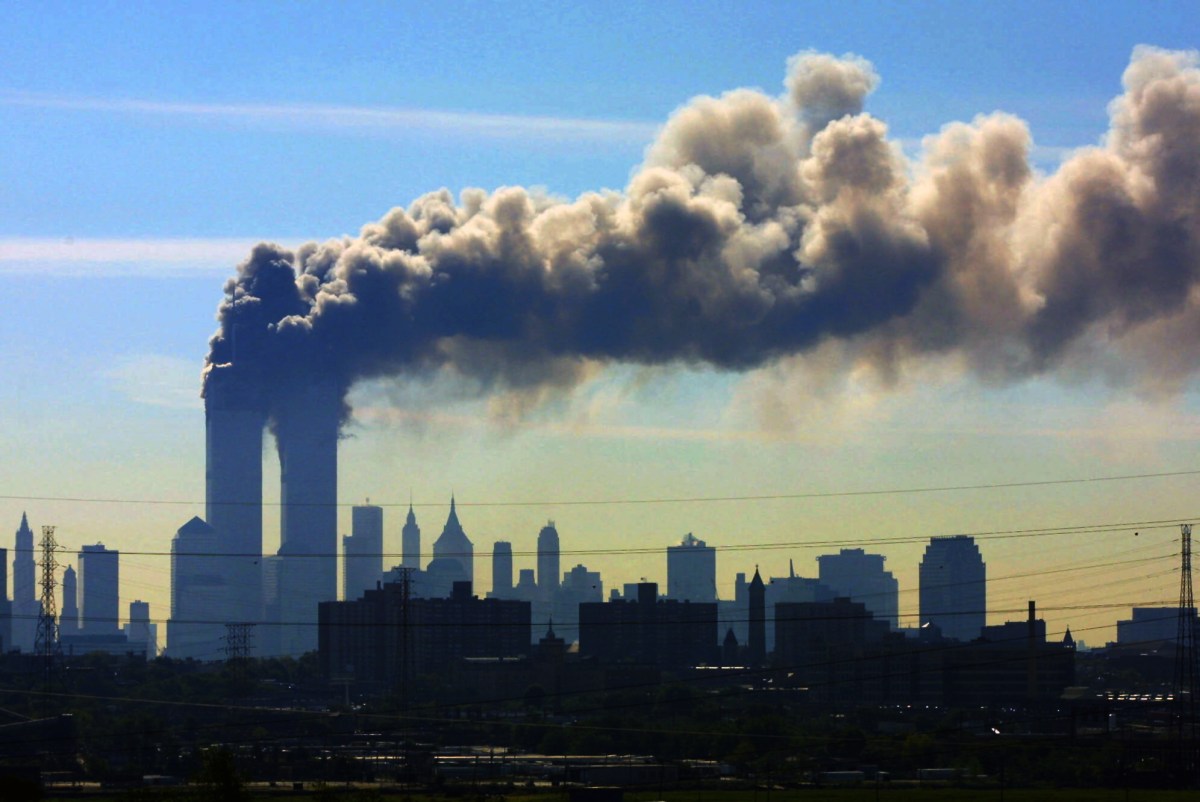
Over 400,000 individuals were exposed to toxic dust following the September 11 attacks. Long-term health studies confirm rising rates of respiratory disease, mental health disorders, and over 70 types of cancer among survivors and first responders, proving that environmental contamination has enduring biological consequences.
Key Takeaways
- Chronic Exposure Impact: The World Trade Center Health Program now serves over 100,000 enrolled participants with documented medical conditions linked to the event.
- Cancer Incidence: Data indicates a significant rise in non-Hodgkin lymphoma, multiple myeloma, and thyroid cancer among exposed populations compared to the general demographic.
- Latency Period: Many respiratory and oncological conditions emerged 10 to 20 years post-exposure, challenging initial assumptions about immediate risk versus long-term latency.
- Ecological Analogy: The event serves as a stark case study in how particulate matter disrupts biological equilibrium, mirroring broader environmental pollution dynamics.
On September 11, 2001, a plume of pulverized concrete, asbestos, and toxic chemicals engulfed Lower Manhattan. The immediate physical destruction was catastrophic, but the invisible environmental fallout proved equally devastating. Today, more than two decades later, the biological ledger is still being settled. Read continuous Readers 24 coverage on health to understand the evolving medical narrative.
01 The Invisible Contamination: A Persistent Health Crisis
The aftermath of the World Trade Center collapse generated roughly one million tons of debris. This material contained a complex cocktail of carcinogens, including lead, arsenic, dioxin, and heavy metals. Unlike natural disasters, this event created a dense, localized cloud of ultrafine particles that penetrated deep into the human respiratory system. The immediate medical response focused on trauma and acute respiratory distress, but long-term monitoring revealed a slower, more insidious pattern of disease. First responders, construction workers, and residents all inhaled this toxic mixture. Many initially suffered from mild symptoms that were dismissed as temporary stress reactions. However, clinical data from the 9/11 Health Center shows a sharp increase in chronic obstructive pulmonary disease (COPD) and asthma cases among the exposed cohort. The scope of the issue extends beyond the lungs. The gastrointestinal tract and immune system have also shown signs of prolonged dysfunction. This creates a multi-system health burden that complicates treatment and requires lifelong medical monitoring.02 Structural Drivers of Long-Term Biological Damage
Understanding the health outcomes requires analyzing the specific composition of the dust and the behavioral patterns of the exposed population.1. High-Concentration Particulate Matter
The dust plume contained particles smaller than 2.5 micrometers, known as PM2.5. These ultrafine particles are small enough to bypass the body's natural filtration systems in the nose and throat. They travel directly into the alveoli of the lungs and can even enter the bloodstream, causing systemic inflammation.2. Chemical Toxicity and Synergistic Effects
The debris was not just inert concrete; it was a mix of building materials from different eras. Asbestos, commonly used in insulation before the 1980s, was released in high volumes. The combination of asbestos, diesel exhaust, and industrial solvents creates a synergistic effect, where the toxicity of the mixture is greater than the sum of its parts.3. Repeated Exposure Events
Cleanup operations continued for weeks and months, leading to repeated re-exposure for many workers. The toxic dust settled into the soil and waterways of the area, creating a secondary source of contamination. This prolonged exposure period extended the window for cellular damage and genetic mutation.03 The Latency Paradox: Disease as a Delayed Echo
The most counterintuitive aspect of the 9/11 health crisis is the time lag between exposure and diagnosis. For many years, public perception suggested that the health risks were acute and immediate. However, the peak incidence of certain cancers and respiratory diseases has occurred well after the event, highlighting the long latency period of environmental toxins. This delay creates a challenge for public health policy and individual vigilance. Individuals who feel healthy today may carry the seeds of future disease. The "silent" nature of this progression means that standard annual check-ups may not detect early-stage cellular changes without specific biomarker testing."The dust did not disappear; it merely entered a dormant phase within the human body, waiting for the biological conditions to trigger a cascade of chronic disease."
— Senior Editorial Desk, Readers 24
04 Shifting Health Landscapes: Then vs. Now
| Key Dimension | Previous Landscape (2001-2005) | Current Reality (2020s) |
|---|---|---|
| Primary Health Concern | Acute respiratory distress and trauma | Chronic cancer and systemic inflammation |
| Diagnosis Rate | Low, due to lack of long-term data | High, with over 100,000 enrolled participants |
| Public Awareness | Focus on immediate physical injury | Focus on environmental toxicity and latency |
| Medical Treatment | Short-term symptomatic relief | Lifelong monitoring and specialized oncology care |
05 Institutional Perspectives on Environmental Health
Medical institutions have documented the correlation between 9/11 exposure and specific health outcomes. The World Trade Center Health Program, established under federal legislation, provides comprehensive medical care to eligible enrollees. Data from this program serves as one of the largest longitudinal studies of environmental exposure in modern history. Researchers emphasize that the health effects are not unique to this single event. They serve as a preview of what widespread industrial pollution and climate-related dust events could mean for global populations. The consensus among environmental health experts is that the 9/11 cohort represents a "canary in the coal mine" for chronic particulate matter exposure.06 Strategic Roadmap for Health Monitoring and Prevention
- Longitudinal Health Tracking: Individuals with potential exposure to toxic dust or industrial pollution should undergo regular screenings for respiratory and oncological markers, even if asymptomatic.
- Environmental Testing: Home and workplace air quality assessments can help identify lingering particulate matter from older building materials or nearby industrial sites.
- Immune System Support: Maintaining a robust immune system through nutrition and stress management can help mitigate the inflammatory response caused by environmental toxins.
- Policy Advocacy: Supporting stricter regulations on building demolition and waste disposal can prevent future localized toxic exposure events.
- Data Sharing: Contributing to public health databases helps researchers track long-term trends and identify new correlations between environmental factors and disease.
07 The Enduring Legacy of Environmental Contamination
The health consequences of the 9/11 dust cloud are a sobering reminder of the body's vulnerability to environmental shocks. As we move forward, the focus must shift from reactive treatment to proactive prevention and environmental stewardship. The biological cost of this event is still being paid, and it will likely continue for decades. This case study underscores the importance of understanding the long-term implications of environmental pollution. The dust from 2001 is gone, but its impact on human biology remains. Vigilance, scientific research, and public health infrastructure are essential to managing the legacy of such catastrophic environmental exposures.08 Frequently Asked Questions
How many people were exposed to the 9/11 dust?
Estimates suggest that over 400,000 people were exposed to the toxic dust in the months following the attacks. This includes first responders, construction workers, and residents of the surrounding area.
What are the most common health effects?
The most common health effects include respiratory diseases like asthma and COPD, mental health conditions such as PTSD, and various forms of cancer, including lymphoma and thyroid cancer.
How long can it take for symptoms to appear?
Symptoms can appear immediately or after a latency period of 10 to 20 years. This delay makes long-term monitoring critical for those who were exposed to the toxic dust.
Is the dust still present in the environment?
While the visible dust has been cleaned up, traces of toxic particles may remain in soil and waterways. However, the primary risk to human health comes from the initial inhalation exposure.
How does this compare to other environmental disasters?
The 9/11 dust exposure is comparable to other industrial disasters in terms of long-term health impacts. It highlights the severe consequences of high-concentration particulate matter exposure.
Stay Ahead with Readers 24 Intelligence
Subscribe to continuous updates and follow live global news, unbiased market analysis, and in-depth investigations reported 24/7 across our international bureaus.
Verify primary documentation and global coverage metrics ↗ and Follow live continuous analysis on Readers 24 Live.
Comments (2)
This is a highly insightful piece. The shifts in the technological landscape are truly unprecedented and I'm eager to see how it affects global markets in the next quarter.
I completely agree with the points made here. However, I think the regulatory aspect will be the biggest hurdle moving forward before we see mass adoption.