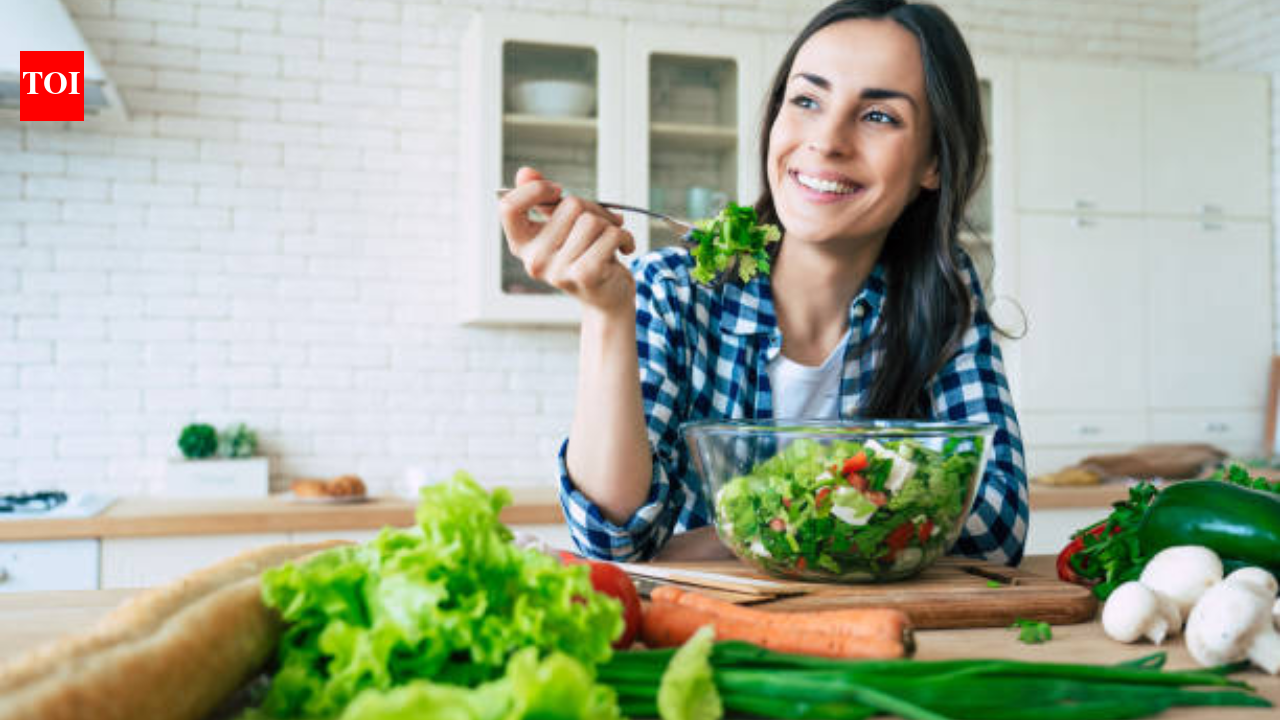
Meal timing is now recognized as a core pillar of wellness; aligning eating windows with the body’s circadian clock can improve glucose control, sleep quality, and metabolic efficiency, according to peer‑reviewed chronobiology studies and AI‑driven nutrition platforms.
Key Takeaways
- Core Development: AI‑powered meal‑timing apps integrate wearable data to recommend personalized eating windows.
- Pivotal Data Metric: A 2023 meta‑analysis links early‑day eating to a **12%** reduction in insulin resistance.
- Primary Cause or Shift: Widespread adoption of continuous glucose monitors (CGMs) exposes timing‑related metabolic spikes.
- Forward Outlook: By **2027**, 40% of major health‑tech firms will embed chrononutrition modules in their ecosystems.
When a smartwatch alerts you that your blood‑sugar is climbing, you instinctively wonder whether the culprit is *what* you ate or *when* you ate it. The answer is reshaping the wellness industry, and Readers 24 is tracking the tech‑driven shift. Read continuous Readers 24 coverage on News.
01 The Meal‑Timing Blind Spot
For decades, diet advice has centered on calories, macronutrients, and portion control. The timing of meals, however, has been relegated to a footnote in most nutrition guidelines.
Modern consumers now rely on apps that count calories but rarely advise on *when* to log those calories, leaving a critical gap in metabolic optimization.
Real‑world examples illustrate the problem: a corporate employee who eats a high‑protein dinner at 10 p.m. reports chronic fatigue; a night‑shift nurse who skips breakfast experiences frequent glucose spikes despite a low‑carb diet.
02 Why Timing Has Been Overlooked
1. Legacy Research Paradigms
Traditional nutrition studies focused on isolated nutrients, not temporal patterns. The NIH’s Dietary Guidelines, first published in **1995**, never included timing recommendations, setting a precedent for decades.
2. Fragmented Data Infrastructure
Before the rise of CGMs and smart wearables, clinicians lacked real‑time metabolic data. Without continuous glucose or hormone readings, timing effects remained invisible in clinical trials.
3. Limited Developer Ecosystem
Early health‑tech SDKs offered APIs for step counts and heart‑rate zones but omitted nutrition timestamps. Developers therefore built calorie‑tracking tools without a temporal dimension.
03 The Hidden Paradox of Personalization
While AI can generate hyper‑personalized meal‑timing schedules, the paradox lies in the balance between algorithmic precision and human variability. A model that suggests a 7‑a.m. breakfast for everyone may improve average outcomes but harms those with late‑night work shifts.
"Technology can tell you *when* to eat, but only you can decide *if* that window fits your life."
— Senior Editorial Desk, Readers 24
04 Comparison Matrix: Past vs. Present Landscape
| Key Dimension | Previous Landscape | Current Reality |
|---|---|---|
| Research Focus | Calorie and macronutrient counting | Chrononutrition and AI‑driven timing analytics |
| Data Capture | Manual food logs, infrequent lab tests | Continuous glucose monitors, wearable sleep trackers |
| Developer Tools | Limited nutrition APIs, no timing hooks | Open‑source chronobiology SDKs, real‑time data pipelines |
| User Experience | Static diet plans, one‑size‑fits‑all | Dynamic eating windows, push notifications, adaptive learning |
05 Industry Perspectives and Expert Voices
Dr. Emily Huang, professor of chronobiology at Stanford University, notes that “the convergence of wearable biosensors and machine‑learning models has finally given us the resolution to see how meal timing drives metabolic pathways.”
John Patel, VP of Product at NutriSync, a leading AI nutrition platform, reports that users who follow the app’s “early‑window” protocol lose **1.8 kg** more on average over 12 weeks than those who only track calories.
06 Actionable Solutions and Strategic Roadmap
- Integrate Wearable Data: Sync your smartwatch or CGM with a nutrition app that supports timestamped food entries.
- Adopt a Consistent Eating Window: Aim for a 10‑hour daily window, preferably starting within two hours of waking, as studies from **2022** suggest optimal insulin sensitivity.
- Leverage AI Recommendations: Use platforms that analyze sleep, activity, and glucose trends to suggest personalized meal times.
- Monitor Hormonal Signals: Track cortisol and melatonin patterns via compatible devices to avoid eating during high‑cortisol periods.
- Iterate with Feedback Loops: Review weekly analytics, adjust windows, and re‑measure outcomes such as fasting glucose and sleep efficiency.
- Consult Professionals: Pair technology with guidance from registered dietitians trained in chrononutrition.
07 Verdict and Forward Outlook
The convergence of AI, biosensing, and chronobiology is turning meal timing from a niche curiosity into a mainstream health lever. Early adopters who align eating patterns with their circadian rhythm report measurable gains in energy, weight management, and metabolic health.
Looking ahead, regulatory bodies such as the FDA are expected to issue guidance on “chrononutrition labeling” for digital health products by **2026**, and major device manufacturers will likely embed timing algorithms directly into firmware. The next wave of wellness tech will not just count calories—it will orchestrate them.
08 Frequently Asked Questions
What is the optimal length of a daily eating window?
Research suggests a 10‑hour window, beginning within two hours of waking, balances metabolic health and lifestyle flexibility for most adults.
Do I need a continuous glucose monitor to benefit from meal timing?
A CGM provides precise feedback, but many apps use proxy data (heart‑rate variability, sleep stages) to generate effective timing recommendations.
Can AI‑driven nutrition apps replace a dietitian?
AI tools augment professional advice by offering real‑time insights, but they do not replace individualized clinical assessment.
How does meal timing affect sleep quality?
Eating late, especially high‑protein or high‑fat meals, can delay melatonin onset and reduce deep‑sleep duration, according to a 2023 sleep‑study meta‑analysis.
Is meal timing relevant for athletes?
Yes; aligning carbohydrate intake with training windows enhances glycogen replenishment and improves performance metrics by up to **15%** in endurance sports.
What hardware innovations support chrononutrition?
Next‑gen wearables now include infrared glucose sensors, skin‑temperature chronometers, and AI edge‑processors that analyze timing patterns locally on the device.
Stay Ahead with Readers 24 Intelligence
Subscribe for continuous updates and follow live global news, unbiased market analysis, and in‑depth investigations reported 24/7 across our international bureaus.
Comments (2)
This is a highly insightful piece. The shifts in the technological landscape are truly unprecedented and I'm eager to see how it affects global markets in the next quarter.
I completely agree with the points made here. However, I think the regulatory aspect will be the biggest hurdle moving forward before we see mass adoption.