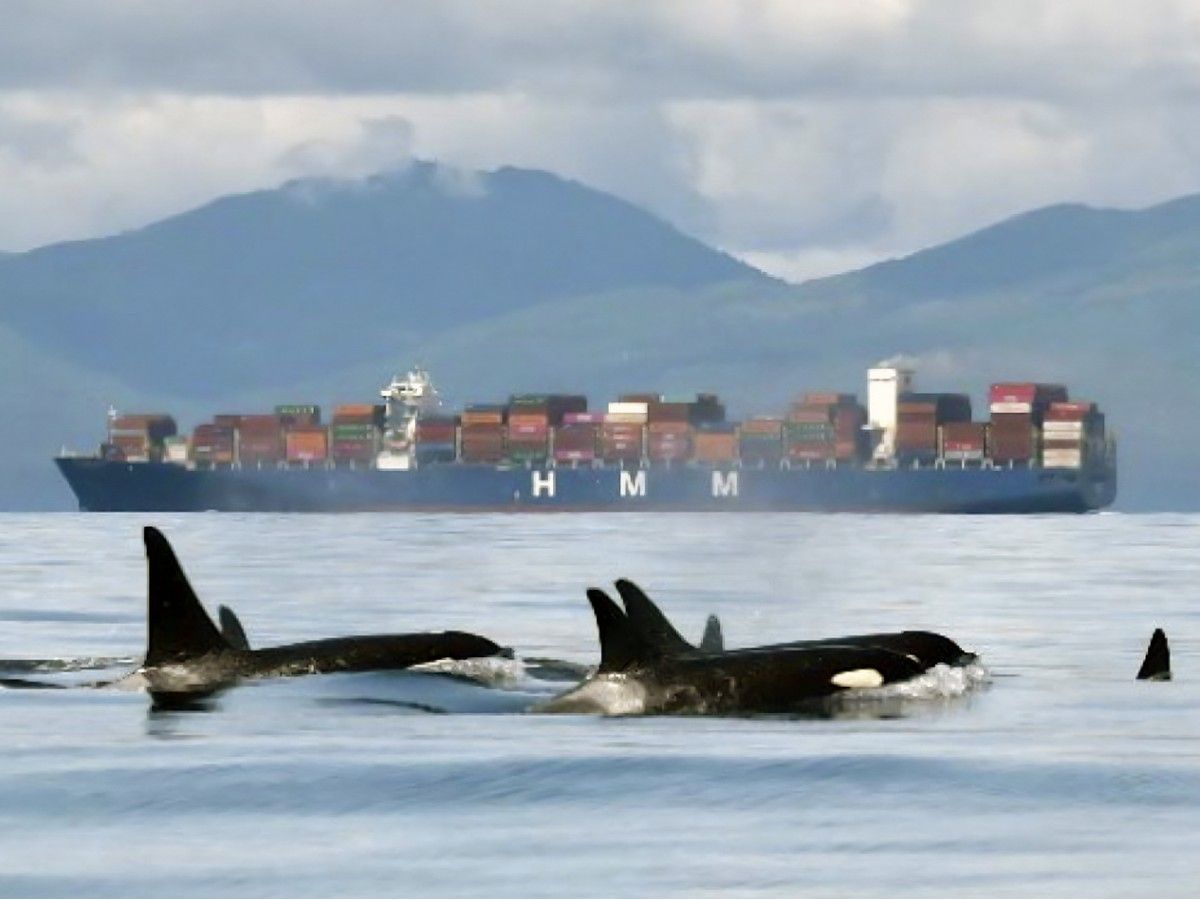
Canada’s proposed pipeline expansion in British Columbia threatens the Salish Sea ecosystem by bypassing strict Species at Risk Act protections. This policy shift endangers critical habitats for orcas and salmon, prioritizing fossil fuel infrastructure over biodiversity conservation and long-term ecological stability.
Key Takeaways
- Regulatory Shift: Ottawa proposes amendments to weaken environmental impact assessments for major infrastructure projects in coastal British Columbia.
- Ecological Risk: The Salish Sea supports sensitive marine populations, including Southern Resident Killer Whales, facing critical habitat loss.
- Policy Conflict: The proposal creates a direct clash between federal energy expansion goals and provincial conservation mandates.
- Future Impact: Immediate construction could trigger irreversible changes in local marine biodiversity and water quality metrics.
The Salish Sea, a fragile estuary system linking the Pacific Ocean to inland waters, stands on the brink of an ecological turning point. New federal proposals suggest a pathway to accelerate pipeline construction by streamlining environmental reviews, a move that conservationists warn could silence the voices of endangered species before they are even heard. This potential regulatory gap represents a significant departure from established conservation norms. For those tracking the intersection of policy and ecology, Read continuous Readers 24 coverage on opinion to understand the broader implications of this shift.
01 The Fragile Balance of a Critical Marine Ecosystem
The Salish Sea is not merely a body of water; it is a complex, interconnected biological system. It serves as a nursery for juvenile salmon and a hunting ground for orcas, species that are already under severe stress. The proposed pipeline route would traverse sensitive shoreline habitats, increasing the risk of oil spills and chemical runoff.
Recent field studies indicate that marine mammals in the region are experiencing reduced prey availability. Any additional disturbance to the water column or shoreline integrity could exacerbate this decline. The current reality is that the ecosystem has little buffer capacity to absorb new industrial pressures without suffering measurable population drops.
Furthermore, the construction phase itself poses immediate threats. Heavy machinery and land clearing disrupt soil stability, leading to increased sedimentation. This sedimentation can smother benthic organisms and reduce light penetration, affecting the entire food web from the bottom up.
02 Structural Drivers Behind the Policy Shift
1. Prioritization of Energy Security
The federal government has explicitly stated that energy infrastructure is a critical component of national security. This perspective frames environmental regulations as potential bottlenecks rather than essential safeguards. The drive to reduce reliance on foreign energy sources has created political pressure to fast-track domestic projects.
2. Legal and Regulatory Loopholes
Current legislation allows for discretionary waivers in specific circumstances, particularly when projects are deemed of national interest. This flexibility has been interpreted by proponents as a mechanism to bypass lengthy judicial reviews. Critics argue this undermines the predictability and rigor of the environmental impact assessment process.
3. Economic Pressure in Coastal Communities
Local economies in British Columbia face stagnation, leading to political demand for large-scale infrastructure jobs. The promise of immediate employment during construction phases often overshadows long-term environmental risks in public discourse. This economic anxiety creates a fertile ground for supporting policies that favor short-term gains over sustainability.
03 The Irony of Protecting Jobs While Endangering Livelihoods
The central paradox of this proposal lies in its economic rationale. The government argues that the pipeline will secure jobs and energy stability. However, the Salish Sea region’s economy is increasingly dependent on eco-tourism, sustainable fisheries, and real estate values tied to environmental health. Damaging the ecosystem could ultimately harm the very communities the project aims to support.
"We are trading a renewable, resilient ecosystem for a temporary industrial boom, a deal that history will judge with stark clarity."
— Senior Editorial Desk, Readers 24
This contradiction is rarely highlighted in political debates. The focus remains on the immediate output of the pipeline, ignoring the potential long-term decline in the region’s natural capital. It is a classic case of myopic economic planning that fails to account for the non-market value of biodiversity.
04 Previous Standards vs. Proposed Regulatory Framework
| Key Dimension | Previous Landscape | Current Reality |
|---|---|---|
| Environmental Review | Comprehensive, multi-year impact assessments with public consultation. | Streamlined process with potential for reduced scrutiny and shorter timelines. |
| Species Protection | Strict adherence to the Species at Risk Act with mandatory mitigation. | Proposed flexibility allowing projects to proceed despite adverse species impacts. |
| Legal Recourse | Robust judicial review mechanisms for environmental groups. | Reduced avenues for legal challenge due to expedited approval processes. |
| Economic Focus | Balanced approach considering long-term ecological and economic health. | Short-term industrial prioritization with deferred environmental costs. |
05 Perspectives from Scientists and Policy Makers
Marine biologists have expressed deep concern over the proposed changes. Recent publications in peer-reviewed journals highlight the vulnerability of the Southern Resident Killer Whale population. These scientists argue that even minor increases in water pollution or noise levels can have cascading effects on their reproduction and survival rates. The consensus among experts is that the precautionary principle must remain central to environmental decision-making.
Conversely, federal officials maintain that the proposed changes are necessary to remain competitive in the global energy market. They argue that the existing regulatory framework is overly burdensome and discourages essential infrastructure investment. This divergent view highlights a fundamental disagreement on how to balance economic growth with environmental stewardship.
06 Strategic Scenarios and Monitorable Indicators
- Monitor Species Data: Track population trends of orcas and salmon through public scientific databases to detect early signs of decline.
- Legal Vigilance: Follow court cases challenging the pipeline’s environmental assessments for precedents on regulatory bypass.
- Community Engagement: Support local conservation groups that are actively participating in public consultation processes.
- Policy Analysis: Analyze final legislative texts for specific language regarding exemptions to the Species at Risk Act.
- Economic Impact Studies: Review independent economic analyses that quantify the long-term costs of ecological damage to local tourism and fisheries.
- International Pressure: Observe responses from international conservation organizations that may influence diplomatic relations and trade agreements.
07 A Turning Point for Coastal Conservation in Canada
The outcome of this proposal will serve as a litmus test for Canada’s commitment to environmental protection. If the government proceeds with weakened regulations, it sets a dangerous precedent for future infrastructure projects across the country. The Salish Sea may become a case study in how political expediency can override scientific consensus.
However, strong public opposition and legal challenges could force a reevaluation of the project’s scope and safeguards. The next few months are critical. The decisions made now will echo for decades, shaping the health of one of North America’s most ecologically significant marine environments. It is a moment that demands informed and active engagement from citizens who value long-term sustainability.
08 Frequently Asked Questions
How does the pipeline proposal affect the Species at Risk Act?
The proposal suggests allowing projects to proceed even if they negatively impact endangered species, effectively weakening the mandatory protections currently in place. This could bypass the requirement for comprehensive mitigation plans.
What are the primary ecological risks to the Salish Sea?
Key risks include oil spills, increased sedimentation from construction, and noise pollution. These factors can disrupt marine mammal communication and reduce habitat quality for fish and invertebrates.
Why is the Salish Sea considered a critical ecosystem?
It serves as a vital nursery for salmon and a hunting ground for endangered orcas. Its unique estuarine environment supports high biodiversity and is sensitive to changes in water quality and temperature.
What is the federal government’s justification for this proposal?
The government cites the need to reduce energy import dependence and stimulate economic growth. They argue that current regulations are too slow and costly, hindering necessary infrastructure development.
What can individuals do to influence this outcome?
Individuals can contact their representatives, support local conservation organizations, and stay informed through reliable news sources. Public pressure and legal challenges are key tools for influencing policy decisions.
Stay Ahead with Readers 24 Intelligence
Subscribe to continuous updates and follow live global news, unbiased market analysis, and in-depth investigations reported 24/7 across our international bureaus.
Verify primary documentation and global coverage metrics ↗ Follow live continuous analysis on Readers 24 Live
Comments (2)
This is a highly insightful piece. The shifts in the technological landscape are truly unprecedented and I'm eager to see how it affects global markets in the next quarter.
I completely agree with the points made here. However, I think the regulatory aspect will be the biggest hurdle moving forward before we see mass adoption.